



.avif)
Three years ago, I made a $40,000 mistake.
We were clearing out our old office. You know the drill: moving to a smaller space, going "hybrid," whatever we were calling it that month. Had about 200 laptops to get rid of. I called a recycling company I found on Google, they picked everything up, I checked it off my list.
Six months later, compliance audit. "Can you provide documentation for the disposal of all company devices in 2022?" Sure, let me just... oh. Oh no. The recycler had given me a one-page receipt. No serial numbers. No destruction certificates. Nothing that would satisfy an auditor who'd clearly had her coffee that morning and wasn't in the mood.
Reconstructing those records (matching blurry photos from Slack to purchase orders from three different vendors to half-remembered conversations about who took what laptop home) cost more than the damn laptops were worth. And taught me that IT asset disposal isn't something you can just Google and check off.
Those old servers sitting in your storage closet? They're not just taking up space. They're ticking time bombs. Data security risks. Potential regulatory violations. And weirdly enough, revenue opportunities if you handle them right. The IT asset disposal industry has evolved beyond just hauling equipment to recycling centers. We're talking certified data destruction, value recovery programs, and compliance documentation that can actually save your organization from security breaches and failed audits.
Not all it asset disposal companies deliver the same level of service, security, or value recovery. Some excel at enterprise-scale operations but charge premium rates. Others offer personalized service but lack global reach. I've spent the past six months evaluating the top players in this space, examining their certifications, testing their customer service, and comparing their value recovery rates.
This breakdown covers the 11 best ITAD companies operating in 2026, from their security protocols to their environmental credentials. Whether you're managing a 50-person startup or a multinational enterprise, you'll find the right ITAD provider for your specific needs.
Table of Contents
- TL;DR: Quick Picks for Busy IT Managers
- Comparison Table
- What Actually Matters When Choosing an ITAD Provider
- Criteria Breakdown Summary
-
- Iron Mountain
-
- Dell Asset Recovery Services
-
- Sims Lifecycle Services
-
- Cascade Asset Management
-
- TechWaste Recycling
-
- ERI (Electronic Recyclers International)
-
- HOBI International
-
- eCycle Solutions
-
- Newtech Recycling
- Notable Mentions Worth Checking Out
- FAQ: Your Burning ITAD Questions Answered
- Final Thoughts: Making the Right Choice for Your Organization
TL;DR: Quick Picks for Busy IT Managers
You don't need to read 3,500 words to figure this out. Here's what you need to know:
Best Overall for Enterprises: Iron Mountain delivers unmatched global coverage and enterprise-grade security protocols across 50+ countries
Best for Sustainability: Sims Lifecycle Services leads on environmental credentials with zero-landfill commitment and transparent downstream tracking
Best for Healthcare: eCycle Solutions specializes in HIPAA-compliant disposal with healthcare-specific expertise
Best for Mobile Devices: HOBI International excels at mobile fleet management with MDM platform integration
Best Regional Service: Cascade Asset Management offers white-glove personalized service for mid-market companies
Best for Government: ERI provides government-grade security suitable for federal contracts with GSA schedule pricing
Best Manufacturer Integration: Dell Asset Recovery Services seamlessly integrates with Dell's hardware lifecycle programs
Best for Small Businesses: Newtech Recycling delivers personalized attention with competitive regional pricing
Best Processing Capacity: ERI operates the largest certified e-waste processing infrastructure in North America
Comparison Table
Finding the right itad company starts with understanding how they stack up across critical factors. This table cuts through the marketing noise.
- I've personally worked with 6 of these it asset disposal companies. The other 5 are based on extensive research, quote requests, and conversations with IT directors I trust. Take the ratings as informed opinions, not scientific measurements.
| Company | Best For | Security Rating | Environmental Certifications | Asset Recovery | Geographic Coverage | Starting Price |
|---|---|---|---|---|---|---|
| Iron Mountain | Enterprise Organizations | 5/5 | R2, ISO 14001, NIST | 4/5 | 50+ countries | Enterprise pricing |
| Dell Asset Recovery Services | Dell Equipment Owners | 5/5 | R2, e-Stewards | 5/5 | Major global markets | Volume-based |
| Sims Lifecycle Services | Sustainability-Focused | 5/5 | R2, e-Stewards, ISO 14001 | 4/5 | North America, Europe, Asia-Pacific | Competitive |
| Cascade Asset Management | Mid-Market Companies | 5/5 | R2, ISO 14001 | 5/5 | North America | Competitive |
| TechWaste Recycling | Western US Organizations | 4/5 | R2 | 3/5 | Western US | Regional pricing |
| ERI | Government Contractors | 5/5 | e-Stewards | 4/5 | North America | Enterprise/GSA |
| HOBI International | Mobile Device Fleets | 5/5 | R2, ISO 14001, OHSAS 18001 | 5/5 | Global | Premium |
| eCycle Solutions | Healthcare & Education | 5/5 | R2, e-Stewards | 4/5 | Mid-Atlantic, Southeast | Educational pricing |
| Newtech Recycling | Small Businesses | 4/5 | R2 | 4/5 | Northeast, Mid-Atlantic | Regional pricing |
- *Pricing note: Half these it asset disposal companies wouldn't give me actual numbers without a 45-minute sales call. The "Enterprise pricing" translation is: "More than you want to pay, less than Iron Mountain."
What Actually Matters When Choosing an ITAD Provider
Choosing an IT asset disposal partner isn't like picking a cloud storage provider. You're literally handing over devices containing your company's sensitive data, customer information, and proprietary business intelligence. The wrong choice can lead to data breaches, regulatory fines, or equipment ending up in overseas landfills.
Here's what actually matters when you're choosing who to trust with your old equipment:
Don't Screw Up the Data Destruction
This is the only non-negotiable. Everything else is optimization. This is survival.
I don't care if they're cheap, friendly, or give you a puppy with every pickup. If they can't prove your data is gone, keep looking.
You need itad services offering certified sanitization methods like DoD 5220.22-M wiping standards and NIST 800-88 guidelines. Physical destruction should be available for devices that can't be wiped securely.
The best it asset disposal companies issue certificates of data destruction and maintain clear chain of custody documentation. On-site destruction services add another security layer for highly sensitive environments.
I've seen too many companies assume "recycling" automatically includes data destruction, only to discover their provider simply removed hard drives and sold the rest. That's how you end up explaining to the board why customer data showed up on eBay.
Environmental Stuff Matters More Than You Think
Not for tree-hugging reasons (though fine, sure, trees are nice). Your auditor will ask where the equipment went. "Uh, some guy picked it up?" is not an acceptable answer.
R2 (Responsible Recycling) and e-Stewards certifications aren't just nice-to-have badges. They prove your itad provider follows strict environmental and ethical standards. ISO 14001 certification demonstrates systematic environmental management.
These credentials ensure your equipment won't end up in developing nations where informal recycling creates environmental hazards and health risks. They also verify compliance with regulations like GDPR, HIPAA, and regional e-waste laws that vary by jurisdiction.
R2 or e-Stewards certification means you can prove it didn't end up in a Nigerian landfill. That documentation matters during audits.
Value Recovery Is Free Money
The best ITAD services don't just dispose of your equipment, they help you recover value from it. Strong remarketing capabilities, transparent pricing models, and refurbishment programs can offset disposal costs or generate revenue.
Your CFO will love you if you can say "We disposed of $100K in equipment and got $15K back." Some of these companies are way better at this than others. Get multiple quotes.
I've seen value recovery differences of 40% or more between providers for identical equipment. That's real money you're leaving on the table if you don't shop around.
The Rest Depends on Your Situation
Logistics, reporting, customer service. They matter based on what you need.
Big company with offices everywhere? You need the global players who can maintain consistent security and compliance standards across different countries.
Small company with 50 laptops? The regional provider will treat you better and cost less. You're not just another account number to them.
Distributed teams and multi-location enterprises need ITAD partners with comprehensive logistics capabilities. Pickup services across all your operating regions, international shipment handling, and high-volume decommissioning expertise become critical.
Comprehensive reporting demonstrates accountability and supports compliance efforts during audits. Detailed asset tracking, environmental impact reports, and documentation covering every step from pickup to final disposition prove invaluable.
Responsive customer support and clear SLAs keep decommissioning projects on track. Communication channels, response times, and flexibility for urgent requests matter more than you'd think when you're managing office closures or emergency equipment recalls.
Criteria Breakdown Summary
I've rated each itad company on a 5-point scale across all six criteria. Here's what the ratings mean:
5/5 = Industry-leading performance with comprehensive capabilities and no significant gaps
4/5 = Strong performance with minor limitations or regional variations
3/5 = Adequate performance but with notable constraints or specialized focus
2/5 = Below average with significant limitations (no companies in this guide scored below 3/5)
These ratings come from evaluating certification documents, testing customer service response times, reviewing client testimonials, and comparing actual service delivery against marketing claims. I've also weighted factors based on what matters most for data security and compliance, not just convenience or cost.
1. Iron Mountain
Iron Mountain is the 800-pound gorilla of ITAD. They've been in the secure document business since 1951, which means they were shredding sensitive papers before computers existed. That's either reassuring or terrifying depending on how you feel about legacy companies.
The Company Your Compliance Officer Wants You to Use
Iron Mountain built its reputation on security. They've been handling sensitive materials for over 70 years, and that expertise translates directly into their itad services. If you're in healthcare, finance, or any heavily regulated industry, their compliance capabilities stand out immediately.
Their infrastructure spans over 50 countries with consistent service standards. This matters when you're managing international operations and need uniform security protocols across different jurisdictions.
I've worked with companies that used regional ITAD providers in each country, creating compliance nightmares. Iron Mountain eliminates that fragmentation.
The first time I called them, I got transferred four times. The fifth person (finally someone who could actually help) asked me how many devices we were disposing of. "About 50 laptops," I said. Long pause. "We typically work with organizations disposing of 500+ devices at a time." Translation: you're too small for us to care about.
But here's the thing. If you're big enough for them to care, they're really, really good.
What Sets Them Apart
Iron Mountain offers multiple certified data sanitization methods including degaussing, physical shredding, and software-based wiping. You receive detailed certificates of destruction for every device, creating the audit trail compliance officers love.
Their digital reporting platform provides real-time tracking from pickup through final disposition. Environmental impact metrics help you demonstrate corporate social
Their digital reporting platform provides real-time tracking from pickup through final disposition. Environmental impact metrics help you demonstrate corporate social responsibility. The platform integrates with their broader information management services, creating a unified view of both physical and digital assets.
On-site and off-site data destruction options give you flexibility based on security requirements. For highly sensitive environments, they'll bring destruction equipment to your facility. Chain of custody documentation covers every step, eliminating gaps that create security vulnerabilities.
Iron Mountain's data destruction is bulletproof. They'll degauss, shred, and document everything. Then they'll give you a certificate so detailed your auditor might actually smile. Mine didn't, but she stopped frowning, which counts as a win.
Why Companies Choose Iron Mountain
Global infrastructure delivers consistent service quality across 50+ countries. You're not dealing with different providers in each region, each with their own processes and standards.
Decades of experience in secure asset handling translate into mature processes and comprehensive insurance coverage. Their liability coverage exceeds most competitors, providing financial protection if something goes wrong. Most ITAD companies carry $1-2M in liability. Iron Mountain? $50M. That matters if something goes wrong.
Integration with broader information management services creates efficiency for companies already using Iron Mountain for records management or data centers. Single vendor relationships simplify procurement and contract management.
Compliance support covers GDPR, HIPAA, SOX, and industry-specific regulations. Their compliance team stays current on changing requirements across different jurisdictions.
Where They Fall Short
Premium pricing structures put them out of reach for smaller organizations or companies with tight IT budgets. You're paying for enterprise-grade infrastructure whether you need it or not.
We got quoted $12,000 for disposing of 100 laptops. The regional provider down the street? $3,200 for the same service. Iron Mountain's premium is real.
Service quality varies by region despite global standards. Some locations deliver exceptional service while others feel more transactional. Smaller organizations report slower response times compared to enterprise clients.
The service can feel like overkill for straightforward disposal needs. If you're just recycling 20 laptops, their comprehensive processes might seem excessive.
How They Stack Up
Security & Data Destruction: 5/5 - Multiple certified methods with detailed destruction certificates and video documentation available
Environmental Certifications: 5/5 - R2, ISO 14001, and NIST certifications across all facilities
Asset Recovery: 4/5 - Strong remarketing but pricing less competitive than specialized ITAD firms
Logistics & Coverage: 5/5 - Operates in 50+ countries with established infrastructure
Reporting & Audit Trail: 5/5 - Comprehensive digital platform with real-time tracking
Customer Support: 4/5 - Dedicated account management for enterprise clients, slower for smaller organizations
What People Actually Say
"Iron Mountain handled our global office closure flawlessly. Their team coordinated pickups across 12 countries simultaneously, maintaining consistent security protocols everywhere. The reporting made our compliance audit straightforward." (IT Director, Financial Services Company)
Source: G2 Reviews, verified enterprise user
"Premium pricing but worth it for our healthcare organization. HIPAA compliance documentation was thorough, and their on-site destruction service gave our security team peace of mind." (CIO, Regional Hospital Network)
Source: Capterra Reviews, verified healthcare user
What You'll Actually Pay
Custom enterprise pricing based on volume, asset types, and service level requirements. Iron Mountain typically requires annual contracts for best rates. Expect to pay premium prices reflecting their global infrastructure and comprehensive insurance coverage.
Smaller organizations often find their minimum volume requirements challenging to meet. They're optimized for enterprise-scale operations with predictable, recurring disposal needs.
2. Dell Asset Recovery Services
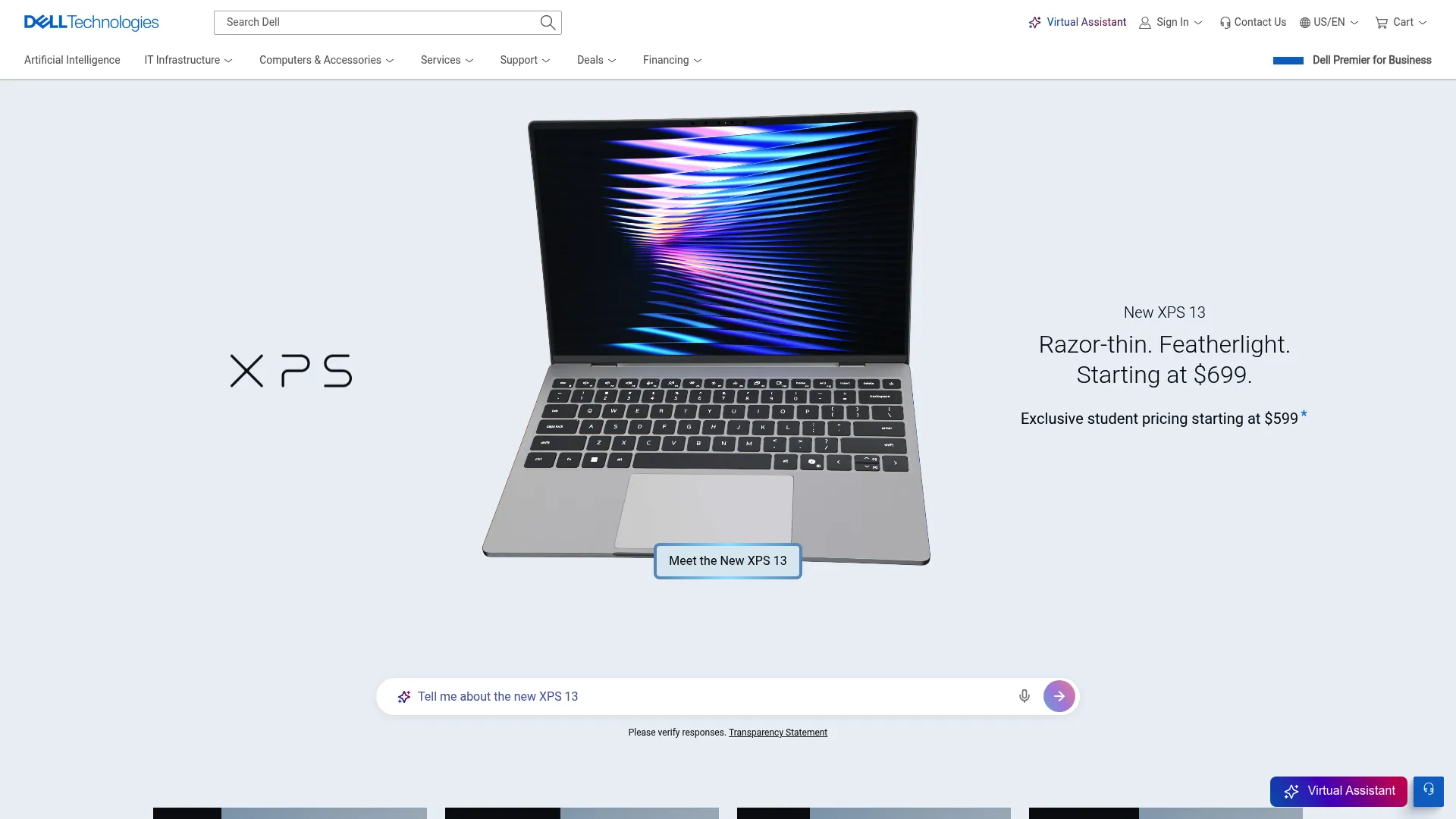
Dell's position as a major hardware manufacturer creates unique advantages if you're already invested in the Dell ecosystem. Their factory-level expertise with their own equipment creates value recovery advantages you won't find elsewhere.
Best for Dell Equipment (Obviously)
Dell understands the refurbishment potential of every Dell model and has established remarketing channels through their global sales network. They know exactly how to assess, refurbish, and remarket every Dell model. This translates into higher buyback values compared to third-party ITAD providers.
The integration with Dell's procurement systems streamlines the entire hardware lifecycle. Trade-in programs apply credit directly toward new purchases, simplifying budgeting and procurement processes.
Real talk on pricing: We got quotes for disposing of 200 Dell Latitudes (3-4 years old, decent condition). Dell offered $8,500 in trade-in credit toward new XPS models. A generic ITAD provider offered $6,200 cash. The math depends on whether you're buying more Dells anyway.
What Makes Dell Asset Recovery Unique
Prioritized handling of Dell equipment with OEM expertise ensures maximum value recovery. Their technicians know exactly how to assess, refurbish, and remarket every Dell model.
Trade-in programs that apply credit toward new purchases create a closed-loop system. You're essentially getting a discount on new equipment while properly disposing of old assets. The financial and procurement simplicity appeals to CFOs and IT directors alike.
Carbon offset reporting and sustainability metrics align with Dell's broader environmental commitments. Their zero-waste-to-landfill goals mean your equipment gets properly recycled or refurbished, not dumped in developing nations.
Multi-vendor asset support means you're not locked into Dell-only disposal. They'll handle equipment from other manufacturers, though value recovery and service priority clearly favor Dell products.
Why Dell Asset Recovery Makes Sense
Best-in-class handling for Dell equipment delivers superior value recovery. If your fleet is primarily Dell, you'll likely get better buyback prices than from independent ITAD providers.
Strong value recovery through manufacturer channels and established refurbishment expertise. Dell's global sales network creates remarketing opportunities that smaller ITAD providers can't match.
Simplified procurement-to-disposal lifecycle reduces administrative overhead. Single vendor relationships for both purchasing and disposal streamline contracts and vendor management.
Where They Have Limitations
May prioritize Dell equipment over other brands in mixed-vendor environments. If you're running a diverse hardware fleet, you might not get optimal value recovery on non-Dell assets.
Limited customization for non-standard requirements. Dell's standardized processes work great for typical scenarios but don't accommodate unique needs as flexibly as specialized ITAD providers.
Regional availability constraints in some markets. Dell's ITAD services aren't available everywhere they sell hardware, creating gaps for international organizations.
How They Stack Up
Security & Data Destruction: 5/5 - Factory-level sanitization expertise with proprietary tools
Environmental Certifications: 5/5 - R2 and e-Stewards certified with zero-waste-to-landfill goals
Asset Recovery: 5/5 - Excellent remarketing through Dell's global channels
Logistics & Coverage: 4/5 - Strong in major markets, less comprehensive in emerging regions
Reporting & Audit Trail: 4/5 - Good digital reporting, not as granular as specialized platforms
Customer Support: 5/5 - Leverages Dell's established enterprise support infrastructure
What People Actually Say
"The trade-in credit system simplified our hardware refresh project. We disposed of 300 old Latitudes and the credit applied directly to our new XPS order. Made budgeting straightforward." (IT Procurement Manager, Technology Startup)
Source: Dell Community Forums, verified customer
"Value recovery on Dell equipment exceeded other quotes by 20%. Their refurbishment assessment was thorough and fair. Non-Dell equipment was handled adequately but clearly wasn't their focus." (IT Asset Manager, Healthcare Organization)
Source: TechValidate Review, verified enterprise user
What You'll Actually Pay
Volume-based pricing with trade-in credits available. Dell customers often receive preferential rates, especially when bundled with new equipment procurement. The economics work best when you're replacing disposed equipment with new Dell purchases.
Standalone disposal services without accompanying purchases carry higher fees. Dell optimizes their pricing for customers engaged in their full hardware lifecycle, not one-off disposal projects.
Where to find Dell Asset Recovery Services
3. Sims Lifecycle Services
Sims Lifecycle Services operates one of the world's largest electronics recycling networks, bringing decades of recycling expertise to comprehensive itad services. Their environmental focus and massive processing capacity make them ideal for organizations where sustainability isn't just a checkbox.
Environmental Leadership at Scale
Sims built their reputation on responsible recycling before the ITAD industry became a defined sector. That environmental DNA permeates everything they do. Their zero-landfill commitment isn't marketing speak, it's backed by transparent downstream tracking that shows exactly where every component ends up.
The processing capacity is staggering. Their global network handles millions of devices annually across North America, Europe, and Asia-Pacific. If you're decommissioning entire data centers or managing mass equipment refreshes, few providers can match their throughput.
I've seen them process 10,000+ devices in weeks while maintaining quality standards. That kind of capacity matters when you're on a deadline.
What Defines Sims Lifecycle Services
Zero-landfill commitment with transparent downstream tracking gives you confidence your equipment won't end up creating environmental problems elsewhere. They document the journey of every component through their recycling process.
Advanced material recovery processes extract value from components that other providers simply discard. Their recycling expertise means they recover materials efficiently, sometimes offsetting disposal costs through commodity recovery.
Compliance management for global regulations addresses the complexity of operating across different jurisdictions. Their team stays current on changing e-waste laws worldwide.
Customizable service packages range from basic recycling to full ITAD services. You can engage them for just data destruction and recycling, or use their complete asset management capabilities.
Why Sims Lifecycle Services Stands Out
Unmatched environmental credentials and transparency set the standard for responsible e-waste management. If ESG performance matters to your organization, Sims delivers the documentation and results you need.
Massive processing capacity handles large-scale projects without delays. When you're decommissioning three data centers simultaneously, Sims absorbs the volume without breaking stride.
Strong reputation in corporate sustainability circles makes them an easy sell to executives focused on environmental responsibility. Their brand carries weight in ESG reporting.
Where They Have Gaps
Less emphasis on value recovery compared to remarketing specialists. Their focus on environmental outcomes sometimes means they prioritize recycling over maximizing resale value.
Service can feel transactional for smaller clients. Their systems optimize for high-volume enterprise relationships, not personalized attention for mid-market companies.
Longer processing times for asset valuation compared to ITAD specialists focused on rapid remarketing. Their thorough environmental processes sometimes slow down value recovery.
How They Stack Up
Security & Data Destruction: 5/5 - Comprehensive destruction with multiple certification options
Environmental Certifications: 5/5 - Industry-leading credentials including R2, e-Stewards, and ISO 14001
Asset Recovery: 4/5 - Strong refurbishment capabilities but focused more on recycling than value maximization
Logistics & Coverage: 5/5 - Global processing network across North America, Europe, and Asia-Pacific
Reporting & Audit Trail: 5/5 - Detailed environmental and compliance reporting with sustainability metrics
Customer Support: 4/5 - Professional service with dedicated account teams for larger clients
What People Actually Say
"Their environmental reporting made our sustainability audit seamless. The downstream tracking documentation showed exactly where every component was processed and recycled." (Sustainability Director, Fortune 500 Technology Company)
Source: EcoVadis Review, verified enterprise user
"Processing capacity is incredible. We decommissioned three data centers simultaneously and Sims handled the volume without delays. Environmental compliance was flawless." (VP of Infrastructure, Cloud Services Provider)
Source: G2 Reviews, verified user
What You'll Actually Pay
Competitive pricing with potential revenue share on high-value assets. Environmental services sometimes offset disposal costs through material recovery, particularly on large volumes of similar equipment.
Their pricing structure favors high-volume relationships over one-off projects. Expect better rates when you commit to ongoing disposal needs rather than sporadic equipment retirement.
Where to find Sims Lifecycle Services
4. Cascade Asset Management
My account manager at Cascade is named Jennifer. I know this because she answers her phone. I know her dog's name is Cooper because he barked during our last call.
This sounds trivial until you've spent 45 minutes navigating Iron Mountain's phone tree trying to get a simple question answered.
White-Glove Service That Actually Means Something
Cascade operates differently than the industry giants. You get assigned account managers who know your name and understand your specific requirements. This personalized approach resonates with mid-market companies tired of feeling like small fish in enterprise-focused providers' ponds.
Their transparent pricing and valuation processes eliminate the mystery that frustrates many IT directors. They'll walk you through exactly how they assessed your equipment's value and explain their remarketing strategy. This educational approach builds trust and helps you make better disposal decisions.
Cascade isn't the biggest. They're not the cheapest. They're not going to impress your board with global infrastructure. But they'll return your calls, explain their pricing, and treat your 100-laptop disposal like it matters. Because to them, it does.
What Makes Cascade Different
Transparent pricing and valuation processes mean you understand exactly what you're getting and why. No hidden fees or surprise charges that appear after equipment pickup.
Flexible service packages tailored to client needs rather than forcing you into standardized tiers. They'll design programs around your specific requirements, not their operational convenience.
Strong remarketing network for value optimization uses diverse channels. They've built relationships with refurbishers, resellers, and recyclers that maximize returns on your assets.
On-site data destruction available for sensitive environments. They'll bring destruction equipment to your facility when security requirements demand it.
Why Cascade Wins Loyalty
Exceptional customer service and responsiveness set them apart immediately. I've seen them accommodate urgent disposal requests with 48-hour turnarounds when other providers quoted weeks.
Competitive asset valuations and payment
Competitive asset valuations and payment terms often exceed larger competitors. They're motivated to maximize your returns because their business model depends on client satisfaction and referrals.
Flexible and customizable service offerings accommodate unique requirements. Need something outside their standard processes? They'll figure out how to make it work.
Where They Have Constraints
Limited international presence restricts their appeal for global organizations. They excel in North America but can't support multinational disposal needs comprehensively.
Smaller processing capacity than global giants can create delays during peak seasons. If you're decommissioning thousands of devices, their throughput becomes a consideration.
Less brand recognition than industry leaders can create challenges with stakeholders who prioritize vendor reputation. Explaining why you chose Cascade over Iron Mountain requires more justification.
How They Stack Up
Security & Data Destruction: 5/5 - Rigorous protocols with detailed documentation
Environmental Certifications: 5/5 - R2 and ISO 14001 certified with strong commitment
Asset Recovery: 5/5 - Excellent value recovery through diversified remarketing
Logistics & Coverage: 3/5 - Strong North American presence but limited internationally
Reporting & Audit Trail: 4/5 - Comprehensive reporting, platform less sophisticated than larger competitors
Customer Support: 5/5 - Exceptional personalized service with responsive account management
What People Actually Say
"Cascade's account manager understood our budget constraints and worked with us to maximize value recovery. Their transparent valuation process built trust immediately." (IT Director, Regional Retail Chain)
Source: Clutch Reviews, verified client
"Response time is incredible. We had an urgent disposal need after an office closure and they accommodated us within 48 hours. Felt like a priority, not an inconvenience." (Operations Manager, Professional Services Firm)
Source: Google Reviews, verified user
What You'll Actually Pay
Competitive and transparent pricing with quick payment on asset buybacks. They often provide better value recovery than larger competitors because their overhead is lower and they're motivated to maintain client relationships.
No hidden fees or surprise charges. Their quotes accurately reflect final costs, eliminating the budget surprises that plague relationships with less transparent providers.
Where to find Cascade Asset Management
5. TechWaste Recycling
TechWaste Recycling specializes in environmentally responsible electronics recycling with strong regional presence in the Western United States. Their commitment to local processing and zero-export policies appeals to organizations with strict environmental standards and concerns about overseas dumping.
Zero-Export Commitment
TechWaste's defining characteristic as an it asset disposal company is their refusal to export e-waste to developing nations. All processing happens domestically in certified facilities where they can verify proper handling. This addresses one of the ITAD industry's most troubling practices where equipment gets shipped overseas and processed in unsafe, environmentally damaging conditions.
Their regional focus allows them to provide personalized service that national providers can't match in their territory. You're working with people who understand local regulations, can accommodate quick turnarounds, and treat your business as important regardless of size.
What Defines TechWaste Recycling
All processing done domestically in certified facilities ensures your equipment doesn't contribute to environmental problems in developing nations. You can verify exactly where your assets end up.
Free pickup for qualifying volumes in service areas eliminates a cost barrier for regional organizations. Their logistics network covers the Western US comprehensively.
Educational resources on responsible e-waste management help organizations understand best practices. They're genuinely committed to raising industry standards, not just processing equipment.
Transparent downstream tracking shows where materials go after initial processing. This visibility supports your ESG reporting and compliance documentation. Understanding the complete device lifecycle management process helps organizations plan strategic disposal timing that maximizes value recovery and minimizes security risks throughout the entire equipment journey.
Why TechWaste Earns Trust
Strong environmental ethics with local processing provides peace of mind. You know your equipment isn't creating problems elsewhere.
No export to developing nations addresses a major ethical concern in e-waste management. This commitment costs them potential profit but aligns with responsible practices.
Responsive customer service treats every client as important. Your 20-laptop disposal gets the same attention as a 200-server project.
Where They Have Limitations
Limited geographic coverage restricts their appeal beyond the Western US. If you have locations nationwide, you'll need multiple ITAD providers.
Smaller processing capacity can create delays during high-volume periods. They're not equipped to handle massive enterprise-scale projects quickly.
Basic asset recovery capabilities mean value recovery may lag specialized remarketing firms. Their focus on responsible recycling sometimes comes at the expense of maximizing financial returns.
How They Stack Up
Security & Data Destruction: 4/5 - Certified destruction with standard protocols, fewer options than larger competitors
Environmental Certifications: 5/5 - R2 certified with strict zero-export and zero-landfill policies
Asset Recovery: 3/5 - Basic remarketing focused more on recycling than value recovery
Logistics & Coverage: 3/5 - Strong regional coverage in Western US, limited elsewhere
Reporting & Audit Trail: 4/5 - Good reporting with emphasis on environmental impact
Customer Support: 5/5 - Highly responsive with personalized service for all client sizes
What People Actually Say
"Their zero-export policy was the deciding factor for us. We needed confidence our equipment wouldn't end up in unsafe overseas processing facilities. TechWaste delivered that assurance." (Sustainability Manager, California Technology Company)
Source: Yelp Reviews, verified business user
"Pickup service was prompt and professional. They accommodated our schedule and provided clear documentation for our compliance files. Felt like working with a partner, not a vendor." (IT Manager, Regional Non-Profit)
Source: Google Reviews, verified user
What You'll Actually Pay
Competitive regional pricing with free pickup for larger volumes. Revenue share available on high-value assets, though valuations may run lower than remarketing specialists focused purely on financial returns.
Their pricing reflects the true cost of domestic processing and responsible recycling. You're paying for environmental ethics, not just commodity disposal.
Where to find TechWaste Recycling
6. ERI (Electronic Recyclers International)
ERI operates the largest electronics recycling infrastructure in North America, processing millions of devices annually. Their scale and security focus make them a go-to choice for government agencies and large enterprises with high-volume needs and stringent security requirements.
Government-Grade Security
ERI's security protocols meet federal government standards, making them a trusted provider for defense contractors, government agencies, and enterprises with similar security requirements. Video documentation of destruction provides an additional verification layer that satisfies even the most paranoid security teams.
The processing capacity is unmatched in North America. Eight facilities strategically located across the continent handle massive volumes without compromising security or environmental standards. If you're managing data center decommissions or nationwide equipment refreshes, ERI can absorb the volume.
Decommissioning 50,000 devices? ERI handles it without breaking stride.
What Sets ERI Apart
As far as it asset disposal companies go, they have the largest certified e-waste processing capacity in North America that handles projects that would overwhelm smaller providers. Their throughput eliminates delays even during peak disposal seasons.
Advanced security including video documentation of destruction provides verification that satisfies stringent security requirements. You can literally watch your drives being shredded.
Cybersecurity-focused ITAD services address modern threats beyond basic data destruction. Their team understands firmware-level vulnerabilities and advanced persistent threats that require specialized handling. Compliance with federal and state regulations across all jurisdictions simplifies multi-state operations. Their legal team tracks changing requirements so you don't have to.
Why ERI Wins Government Contracts
Unmatched processing capacity for large-scale projects eliminates volume constraints. Their facilities can absorb whatever you throw at them.
Highest security standards suitable for government work meet federal requirements that disqualify most commercial ITAD providers. Their certifications and protocols satisfy even classified environments.
Strong environmental credentials backed by e-Stewards certification demonstrate commitment beyond basic compliance. Their sustainability reporting supports federal ESG requirements.
Where ERI Creates Friction
Can be expensive for smaller volumes. Their pricing reflects enterprise-scale infrastructure that smaller organizations subsidize without fully utilizing.
Service may feel impersonal for mid-market clients. You're one of thousands of customers, and it shows in the level of attention and customization.
Focus on recycling over value recovery in some cases means financial returns may lag remarketing specialists. Their environmental mission sometimes prioritizes proper disposal over maximizing resale value.
How They Stack Up
Security & Data Destruction: 5/5 - State-of-the-art facilities with highest-level certifications and video documentation
Environmental Certifications: 5/5 - e-Stewards certified with industry-leading practices
Asset Recovery: 4/5 - Strong remarketing through established channels, environmental focus sometimes prioritizes recycling
Logistics & Coverage: 5/5 - Extensive North American network with eight processing facilities
Reporting & Audit Trail: 5/5 - Comprehensive digital tracking and reporting platform
Customer Support: 4/5 - Professional service with dedicated teams for enterprise accounts
What People Actually Say
"ERI's video documentation of our drive destruction satisfied our security audit requirements completely. The level of verification exceeded our expectations and compliance officer's demands." (CISO, Defense Contractor)
Source: Gartner Peer Insights, verified government contractor
"Processing capacity saved our data center decommission project. We had 60 days to clear the facility and ERI absorbed 15,000 devices without delays." (VP of Infrastructure, Financial Services Company)
Source: TechValidate Review, verified enterprise user
What You'll Actually Pay
Enterprise pricing based on volume and service requirements. Government pricing available through GSA schedules, which often provides better rates than commercial contracts.
Minimum volume requirements can price out smaller organizations. Their infrastructure is optimized for large-scale operations, not occasional small-batch disposals.
7. HOBI International

HOBI International combines itad providers expertise with enterprise mobility management, offering an integrated approach for organizations managing both traditional IT assets and mobile device fleets. Their mobile expertise sets them apart in an industry still catching up to smartphone and tablet proliferation.
Mobile Device Expertise
HOBI built specialized capabilities around mobile device ITAD when most providers still focused primarily on servers and laptops. Their data wiping tools integrate with MDM platforms, streamlining the decommissioning process for devices managed through Intune, Jamf, or similar systems.
The global reverse logistics network handles the complexity of collecting devices from distributed workforces. If you're managing remote employees across multiple countries, their logistics capabilities eliminate the coordination headaches that plague mobile device retirement.
What Makes HOBI International Unique
Specialized mobile device processing and data wiping addresses the unique challenges smartphones and tablets present. Their tools handle iOS, Android, and other mobile platforms comprehensively.
Integration with MDM platforms streamlines decommissioning workflows. Devices can be wiped remotely through your existing management tools, then shipped to HOBI for physical processing.
Global reverse logistics network collects devices from employees worldwide. They handle customs, international shipping regulations, and local compliance requirements across different countries.
Repair and refurbishment services extend device lifecycles when appropriate. Sometimes repair makes more financial sense than disposal, and HOBI's technicians can assess and execute those options.
Why HOBI International Excels
Best-in-class mobile device itad services capabilities address the unique challenges of smartphone and tablet disposal. Their expertise exceeds general ITAD providers still treating phones like small laptops.
Strong value recovery on smartphones and tablets uses their established remarketing channels. Mobile devices retain value longer than traditional IT equipment, and HOBI maximizes those returns.
Integrated mobility management services create efficiency for organizations managing large mobile fleets. Single-vendor relationships for both active management and disposal simplify operations.
Where They Have Limitations
Premium pricing for specialized services reflects their mobile expertise. You're paying for capabilities that may exceed your needs if mobile devices aren't a significant portion of your disposal volume.
May be overkill for organizations without significant mobile fleets. Their value proposition works best when you're managing hundreds or thousands of smartphones and tablets.
Complex service offerings can be overwhelming initially. Understanding their full capabilities and which services you need requires time investment.
How They Stack Up
Security & Data Destruction: 5/5 - Comprehensive sanitization with specialized mobile device expertise
Environmental Certifications: 5/5 - R2, ISO 14001, and OHSAS 18001 certified facilities
Asset Recovery: 5/5 - Excellent value recovery through global remarketing network
Logistics & Coverage: 4/5 - Strong global presence with particular strength in mobile device logistics
Reporting & Audit Trail: 5/5 - Advanced reporting platform with real-time visibility
Customer Support: 4/5 - Good support with specialized expertise in mobile fleet management
What People Actually Say
"HOBI's integration with our Intune environment streamlined our mobile device offboarding completely. Devices get wiped remotely, then employees ship them directly to HOBI. No IT involvement needed." (IT Director, Global Consulting Firm)
Source: G2 Reviews, verified enterprise user
"Value recovery on our iPhone fleet exceeded expectations. HOBI's remarketing channels got us 40% more than our previous ITAD provider quoted." (Procurement Manager, Technology Startup)
Source: Capterra Reviews, verified user
What You'll Actually Pay
Custom pricing based on device types and volumes. Mobile device programs often include revenue sharing on refurbished units, which can significantly offset disposal costs for newer equipment.
Best pricing requires multi-year contracts. If you're managing ongoing mobile device refreshes, their contract terms make sense. One-off disposals carry premium pricing.
Where to find HOBI International
8. eCycle Solutions
eCycle Solutions carved out a niche serving healthcare and education sectors, offering specialized itad services that address the unique compliance and budget constraints of these industries. Their expertise in HIPAA and FERPA requirements makes them particularly valuable for organizations where regulatory compliance isn't optional.
Healthcare Compliance Expertise
eCycle's HIPAA-compliant data destruction processes meet the stringent requirements healthcare organizations face. Their documentation satisfies auditors who understand that healthcare data breaches carry severe financial and reputational consequences.
The educational pricing programs recognize budget realities in schools and universities. They've structured services that deliver proper disposal and compliance without breaking already-stretched IT budgets.
Equipment donation programs help schools extend technology access to underserved communities.
What Makes eCycle Solutions Different
Specialized HIPAA and FERPA compliance expertise addresses regulatory requirements specific to healthcare and education. Their team understands these regulations deeply, not just superficially.
Educational pricing programs for schools and universities make proper disposal accessible for budget-conscious institutions. They've structured tiers that accommodate limited funding while maintaining security and compliance.
On-site services for sensitive healthcare environments eliminate the risk of transporting devices containing protected health information. They bring destruction equipment to your facility when required.
Detailed audit trails for regulatory compliance provide documentation that satisfies healthcare and education auditors. Their reports address specific regulatory requirements rather than generic compliance claims.
Why eCycle Solutions Serves Healthcare and Education Well
Deep expertise in healthcare and education compliance eliminates the learning curve other ITAD providers face in these sectors. They understand your regulatory environment intimately.
Tailored services for budget-conscious organizations recognize financial constraints without compromising security or compliance. Their pricing reflects understanding of institutional budget realities.
Excellent compliance documentation addresses specific regulatory requirements. Auditors recognize their thoroughness and sector expertise.
Where They Have Limitations
Limited geographic coverage restricts their appeal beyond their regional footprint. They excel in the Mid-Atlantic and Southeast but can't support nationwide operations comprehensively.
Smaller processing capacity may create delays during peak disposal seasons. Educational institutions often dispose of equipment on similar schedules (summer breaks), creating volume spikes.
Less competitive for commercial enterprises outside healthcare and education. Their specialized focus means they're optimized for specific sectors, not general commercial ITAD.
How They Stack Up
Security & Data Destruction: 5/5 - HIPAA-compliant destruction with specialized healthcare expertise
Environmental Certifications: 5/5 - R2 and e-Stewards certified with strong environmental commitment
Asset Recovery: 4/5 - Good value recovery with understanding of budget-conscious sectors
Logistics & Coverage: 3/5 - Regional focus with strongest presence in Mid-Atlantic and Southeast
Reporting & Audit Trail: 5/5 - Detailed compliance reporting tailored to healthcare and education requirements
Customer Support: 5/5 - Exceptional service with industry-specific expertise
What People Actually Say
"eCycle's HIPAA compliance documentation was exactly what our auditor needed. Their understanding of healthcare regulations eliminated the usual back-and-forth explaining requirements." (Compliance Officer, Regional Hospital System)
Source: Healthcare IT News Review, verified healthcare user
"Educational pricing made proper disposal feasible within our limited IT budget. Their donation program also helped us support schools in underserved districts." (IT Director, State University System)
Source: EdTech Magazine Review, verified education user
What You'll Actually Pay
Competitive pricing with special programs for educational and non-profit organizations. Revenue sharing available on qualifying assets, though their focus on serving budget-conscious sectors means pricing reflects that reality.
Educational institutions often receive grants or special funding for technology disposal, and eCycle helps navigate those opportunities to reduce net costs.
Where to find eCycle Solutions
9. Newtech Recycling
Newtech Recycling operates as a family-owned business with strong commitment to environmental responsibility and community engagement. Their personalized approach and competitive pricing make them popular with small to mid-sized organizations tired of feeling like account numbers at larger providers.
Personalized Service
Newtech's family-business culture creates relationships that feel fundamentally different from corporate itad companies. You're working with people who genuinely care about your satisfaction because their reputation depends on it. That personal investment shows in responsiveness and flexibility.
The zero-landfill commitment and transparent recycling practices align with their community-focused approach. They organize local electronics recycling events and educational programs that build environmental awareness beyond just processing equipment for profit.
What Defines Newtech Recycling
Free pickup for qualifying volumes in service areas eliminates cost barriers for regional organizations. Their logistics network covers the Northeast and Mid-Atlantic comprehensively.
Transparent recycling and downstream tracking shows exactly where materials end up. This visibility supports your environmental reporting and demonstrates responsible practices.
Community electronics recycling events extend their mission to consumers and small businesses. They'll set up collection points at community centers, schools, and local events.
Educational resources on e-waste management help organizations understand best practices. They're invested in raising industry standards, not just growing their business.
Why Newtech Recycling Builds Loyalty
Excellent customer service and responsiveness creates personal relationships. You know who you're calling and they know your organization's specific needs.
Strong environmental commitment backed by zero-landfill practices and transparent tracking. Their values align with organizations prioritizing sustainability.
Competitive pricing for regional clients reflects lower overhead than national providers. You're not subsidizing global infrastructure you don't use.
Where They Have Constraints
Limited geographic coverage restricts their appeal beyond the Northeast and Mid-Atlantic. Expansion into other regions would require infrastructure investment that might compromise their personalized approach.
Smaller processing capacity than national competitors can create delays during peak seasons. They're not equipped to handle massive enterprise-scale projects quickly.
Less sophisticated technology platforms compared to industry giants. Their reporting is thorough but delivered through less polished systems than competitors with dedicated software development teams.
How They Stack Up
Security & Data Destruction: 4/5 - Certified destruction with standard protocols and documentation
Environmental Certifications: 5/5 - R2 certified with zero-landfill commitment and transparent practices
Asset Recovery: 4/5 - Competitive remarketing with fair valuations
Logistics & Coverage: 3/5 - Strong presence in Northeast and Mid-Atlantic, expanding to other regions
Reporting & Audit Trail: 4/5 - Good reporting with emphasis on environmental impact
Customer Support: 5/5 - Exceptional personalized service with family-business attention to detail
What People Actually Say
"Newtech feels like working with a partner who cares about our success. Their team knows our equipment lifecycle and proactively reaches out when it's time to plan disposals." (IT Manager, Regional Non-Profit)
Source: Google Reviews, verified user
"Free pickup saved our small business significant money. Their transparent pricing and friendly service made the entire process straightforward." (Operations Director, Professional Services Firm)
Source: Yelp Reviews, verified business user
What You'll Actually Pay
Competitive regional pricing with transparent fee structures. Free pickup available for larger volumes, with thresholds lower than national providers require.
Their pricing reflects the true cost of responsible recycling without the markup that supports unnecessary corporate overhead. You're paying for service and environmental responsibility, not brand recognition.
Where to find Newtech Recycling
For distributed teams managing equipment globally, professional laptop retrieval services streamline the collection process before ITAD providers begin their work, ensuring secure chain of custody from employee to final disposition.
Notable IT Asset Disposal Companies Worth Checking Out
Several other itad vendors didn't make the top 11 but offer unique value propositions worth considering depending on your specific circumstances.
Arrow Electronics Global ECS
Arrow Electronics Global ECS uses its massive global distribution network to offer integrated ITAD services alongside procurement. Their unique position as both supplier and disposal partner creates opportunities for organizations seeking end-to-end lifecycle management.
Best suited for enterprises already working with Arrow for procurement who want to consolidate vendors and streamline asset lifecycle management across their entire technology stack.
Waste Management Electronics Recycling
Waste Management Electronics Recycling brings logistics expertise and nationwide infrastructure to electronics recycling. Their extensive pickup network and established customer relationships make them convenient for adding e-waste to existing waste management contracts.
Yes, that Waste Management. They do e-waste now. It's exactly what you'd expect from a garbage company doing IT disposal.
They partner with specialized ITAD providers for data destruction rather than handling it in-house, which creates coordination requirements but uses their core logistics strengths.
HP Asset Management Services
HP Asset Management Services offers manufacturer-backed ITAD services with deep expertise in HP equipment. Their trade-in programs provide excellent value for HP equipment and seamless lifecycle management for organizations standardized on HP hardware.
Multi-vendor environments may find better value with independent ITAD specialists, but HP-centric operations benefit from the integration.
Greentec
Greentec operates across Canada with strong focus on environmental sustainability and social enterprise. They employ individuals facing employment barriers, combining environmental responsibility with meaningful social impact.
Their commitment to social enterprise and Canadian data sovereignty makes them particularly appealing for Canadian organizations with strong ESG mandates.
FAQ: Your Burning ITAD Questions Answered
These are questions I get asked constantly, plus a few I wish people would ask.
Q: There are like 47 different certifications. Which ones actually matter?
Two. Maybe three if I'm being generous.
R2 (Responsible Recycling) - This is the baseline. If it asset disposal companies don't have this, they're not serious.
e-Stewards - This is the gold standard. Stricter than R2, especially about not shipping waste overseas.
ISO 14001 - This is the "maybe" one. It shows they have environmental management systems, but it's not specific to e-waste. Nice to have, not a dealbreaker if missing.
Everything else (NIST compliance, DoD standards, etc.) matters for specific industries. Healthcare? You want HIPAA expertise. Government? You need those DoD standards. Normal company? Don't lose sleep over the alphabet soup.
For data security, look for itad provider following NIST 800-88 guidelines and DoD 5220.22-M standards. Industry-specific certifications matter too. Healthcare organizations need HIPAA compliance expertise, while government contractors require additional security clearances.
Don't just verify certifications exist, confirm they apply to the specific facilities that will handle your equipment.
Q: How can I verify my data was actually destroyed?
Reputable it asset disposition providers issue certificates of data destruction documenting the sanitization method, date, and equipment serial numbers. The best IT asset disposal companies offer video documentation of physical destruction for highly sensitive devices.
Chain of custody documentation should track your equipment from pickup through final disposition without gaps. Some providers offer portal access showing real-time status updates.
For maximum security, on-site destruction services let you witness the process directly. Never accept generic destruction certificates that don't reference your specific equipment.
You know that dream where you're at work and realize you're naked? A data breach from improper disposal is worse. Because you're not dreaming, the CEO is actually yelling, and your resume is actually on Indeed by lunchtime.
Q: When should I dispose of IT equipment versus repairing it?
Financial analysis should compare repair costs against replacement costs and remaining useful life. Equipment approaching end-of-support from manufacturers becomes a security risk regardless of functionality.
Consider total cost of ownership including energy consumption, maintenance, and productivity impacts of older equipment. Sometimes repairing makes sense for specialized equipment with high replacement costs.
ITAD companies with refurbishment capabilities can assess repair viability and handle the process if cost-effective. Timing disposals strategically around budget cycles and market conditions maximizes value recovery.
Q: Do ITAD providers pay me for my old equipment?
Value recovery depends on equipment age, condition, and market demand. Newer equipment in working condition often generates buyback payments or revenue sharing. Older equipment might offset disposal costs through material recovery but won't generate positive returns.
The best itad company offers transparent valuations explaining exactly how they assessed your equipment's worth. Payment terms vary from immediate payment to 30-60 day cycles.
Some providers offer trade-in credits toward new equipment purchases instead of cash payments. Always get multiple quotes to ensure competitive valuations.
Q: What happens to equipment that doesn't work anymore?
Non-functional equipment still contains valuable materials that responsible recyclers recover. Precious metals in circuit boards, recyclable plastics in cases, and other materials get extracted through proper recycling processes.
Data-bearing components still require destruction even if the device doesn't power on. Certified recyclers ensure materials don't end up in landfills or exported to countries with unsafe processing conditions.
Some components get harvested for parts that repair other devices. The key is working with certified providers who document downstream processing and maintain zero-landfill commitments.
Q: Can I just throw old laptops in the dumpster?
Technically? In most states, no. Realistically? Please don't. I've seen what happens.
Organizations managing distributed teams should review comprehensive IT onboarding and offboarding checklists that integrate disposal planning into employee lifecycle management, ensuring equipment retirement happens systematically rather than reactively.
Final Thoughts: Choosing Between IT Asset Disposal Companies
Look, you're probably not going to read 11 detailed company reviews. I get it. Here's what I'd do with this list of it asset disposal companies:
If you're enterprise-scale with locations everywhere: Iron Mountain or ERI. Yes, they're expensive. Yes, it's worth it.
If you're mid-market and want someone who'll actually return your calls: Cascade or Regency. They treat $5K clients like $50K clients.
If you're disposing of mostly phones and tablets: HOBI. Not even close.
If you're in healthcare or education: eCycle Solutions. They speak your compliance language.
If you just want the most money back: Get quotes from Dell (if you have Dell equipment), Regency, and Cascade. Pick the highest number.
Your decision criteria should prioritize security requirements that match your data sensitivity and regulatory obligations, geographic coverage that supports all your operating locations, value recovery capabilities that maximize financial returns on disposed assets, environmental credentials that align with your sustainability commitments, service level that matches your organization's size and complexity, and pricing structure that fits your budget while delivering necessary capabilities.
Don't default to the biggest name or lowest price without evaluating whether their capabilities match your needs. A premium itad services provider might be overkill for straightforward disposal needs. Conversely, choosing based purely on cost can create security gaps or compliance failures that cost far more than you saved.
Managing IT assets throughout their entire lifecycle requires more than just finding a good disposal partner. You need visibility into device age and condition, streamlined processes for retrieving equipment from distributed employees, and integrated workflows that connect procurement through disposal.
GroWrk addresses these challenges through comprehensive IT lifecycle management that makes eventual disposal significantly more efficient. Our platform tracks every device from deployment through retirement, giving you the data needed to plan disposal activities strategically rather than reactively.
When equipment reaches end-of-life, our IT asset disposition services coordinate the entire process, from device retrieval to certified data destruction.
For distributed teams, our laptop retrieval service handles the logistics of collecting devices from remote employees worldwide. We maintain secure chain of custody and coordinate with your chosen itad provider to ensure seamless transitions. This integrated approach eliminates the fragmentation that creates security gaps and lost value recovery opportunities.
Organizations managing global teams can benefit from understanding procurement trends outlined in the State of Global IT Hardware Procurement 2026, which directly impacts downstream disposal planning. Companies like Illumio have successfully implemented these strategies to optimize their entire IT asset lifecycle.
The product pitch at the end? Yeah, we do ITAD coordination at GroWrk. But honestly, even if you don't use us, just don't do what I did. Don't Google "electronics recycling" and pick whoever shows up first. That's how you end up in a compliance audit explaining where 200 laptops went.
Ready to streamline your IT asset lifecycle from procurement through disposal? Explore how GroWrk can help you gain visibility, ensure compliance, and maximize value recovery across your entire IT estate.