



Here's what nobody tells you about IT vendor management: the contracts and cost negotiations are the easy part. The hard part is that three months after you sign, the person who bought the tool has left, nobody knows why you're paying for it, and the vendor relationship has turned into a zombie subscription that nobody wants to kill because someone might be using it. This is exactly where solid IT vendor management best practices earn their keep.
Performance metrics mean nothing if they don't connect to whether people can actually get their work done. You can have perfect uptime and still deliver a garbage experience. The programs that work balance the process stuff with actual human relationships, because at the end of the day, you're dealing with people, not vendor portals. Small operational changes (paying on time, sharing your roadmap) get you way better response times than you'd expect. Good IT vendor management best practices set those expectations before you sign.
Build the Foundation (Or Suffer Later)
Most teams skip straight to vendor selection because there's an immediate fire to put out. Someone needs a tool now. So you rush the evaluation, sign a contract, and figure out the details later.
Later never comes.
That rush is exactly where a real vendor management process breaks down — not at selection, but at the operational handoffs nobody designed for once the contract is signed.
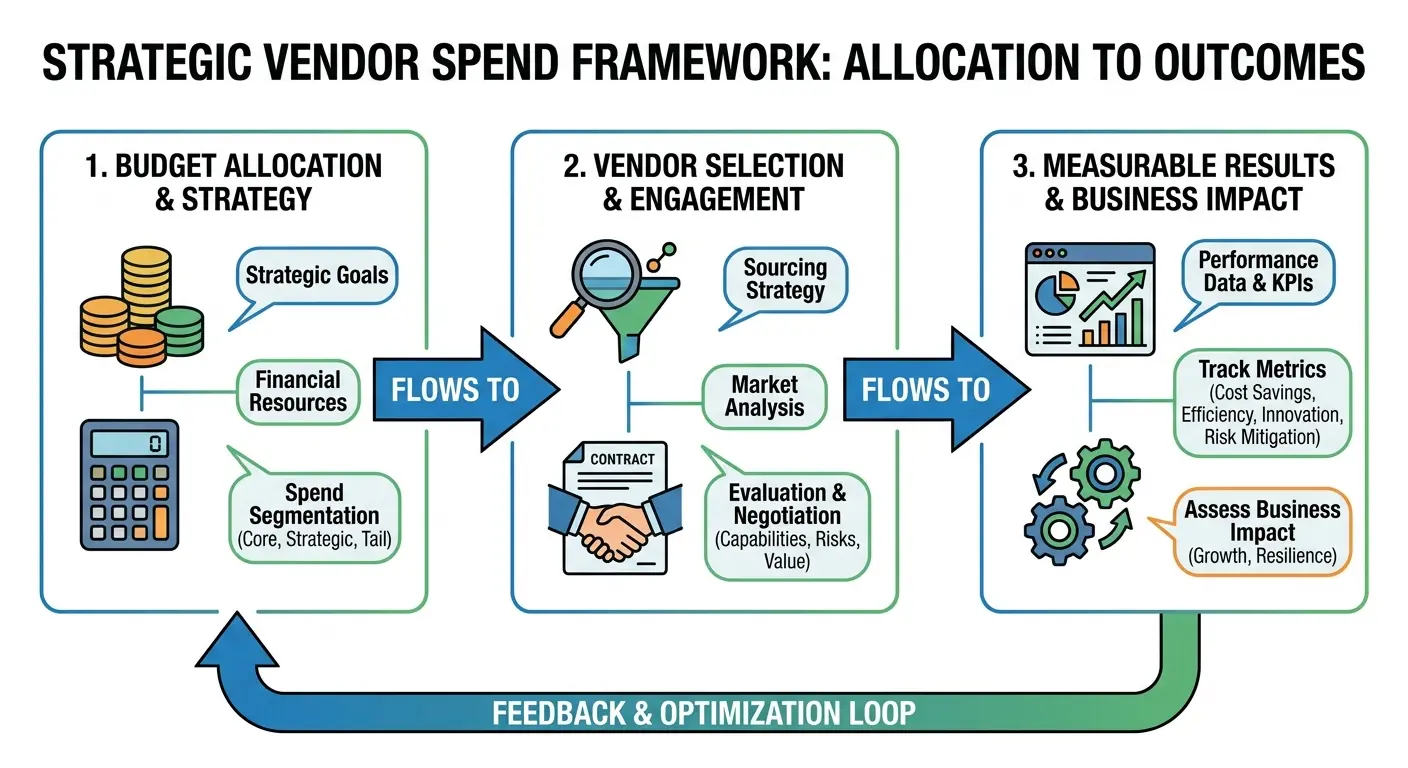
You need a framework that connects vendor spend to real business value. Clear ownership, because "everyone's responsible" actually means nobody is. And systems for capturing knowledge before your vendor expert leaves for another job. IT vendor management best practices exist so that knowledge does not walk out the door.
These are the structural decisions that determine whether your vendor management program becomes something that helps or just creates busywork. You want infrastructure that grows with you without requiring you to hire a vendor manager for every relationship. The point of IT vendor management best practices is to scale judgment, not headcount.
1. Map vendor spend to business outcomes before contracts
Stop. Before you look at one more vendor demo, answer this: what problem are you actually solving?
Not "we need better project management software." That's a solution pretending to be a problem. The real problem might be "our projects are consistently 3 months late because nobody knows who's responsible for what." Now you've got something to measure. Measurable targets separate real IT vendor management best practices from wishful thinking.
Write this down. Make it specific. Are you buying this tool to cut support tickets by 30%? To enable expansion into new markets? To slash onboarding time in half? Because six months from now when someone asks "why are we paying for this?" you'll need an answer better than "seemed like a good idea at the time."
When vendors know what you're actually trying to achieve (not just what features you want), they can help you get there. Most vendor relationships turn into zombie subscriptions because six months in, nobody can remember why you bought the damn thing.
| Business Outcome | Measurable Metric | Vendor Evaluation Criteria | Success Indicator |
|---|---|---|---|
| Reduce support burden | Support ticket volume decrease | Self-service capabilities, knowledge base quality, user interface intuitiveness | 30% reduction in tickets within 6 months |
| Enable market expansion | Geographic coverage, compliance certifications | Regional data centers, local support availability, regulatory compliance | Launch in 3 new regions within 12 months |
| Accelerate onboarding | Time-to-productivity for new hires | Integration with existing tools, training resources, automation features | 50% reduction in onboarding time |
| Improve security posture | Number of security incidents, audit findings | Security certifications, incident response time, vulnerability patching cadence | Zero critical incidents, clean audits |
| Scale operations | System performance under load, cost per user | Infrastructure scalability, pricing model flexibility, performance SLAs | Support 3x user growth without performance degradation |
2. Define ownership at the relationship level, not just procurement
Procurement signs the contracts. Fine. But they don't own the vendor relationship, and they shouldn't.
You need a named owner for each vendor relationship who understands both the technical implementation and the business context. This person becomes the single point of contact. They coordinate renewals, manage escalations, and know the vendor's account team by name. Relationships like that are the quiet backbone of strong IT vendor management best practices.
Understanding what is IT risk management helps you identify which relationships need dedicated ownership. When something breaks at 2am, everyone should know exactly who owns that vendor relationship and has the context to coordinate a response.
I've watched a company lose three days of productivity because their Tier 1 vendor went down and nobody (and I mean NOBODY) knew who owned the relationship. Finance thought IT owned it. IT thought the original requester owned it. The requester had left four months earlier. It was a $180K disaster that started with "wait, who's in charge of this?"
Pick one person to own each relationship. Actually give them authority to make decisions. Then hold them accountable when things go sideways. Accountability clauses are where IT vendor management best practices prove their worth.
3. Create vendor tiers based on criticality and risk exposure
Not all vendors deserve the same level of attention. Trying to manage every relationship with the same rigor is a recipe for burnout.
Build a tiering system that categorizes vendors by their impact on your operations and the risk they introduce. Tier 1 might be vendors that, if they failed tomorrow, would halt critical business operations. Tier 2 could be important but replaceable within a reasonable timeframe. Tier 3 might be nice-to-have tools with minimal switching costs.
Here's what this looks like in practice: Your authentication provider? Tier 1. If they go down, nobody works. You're meeting with them quarterly, you know their VP of Customer Success by first name, and you've war-gamed exactly what happens if they get acquired. Planning for that is one of the most overlooked IT vendor management best practices.
Your expense reporting tool? Tier 3. Annoying if it breaks, but people can submit receipts via email for a week while you sort it out. Annual check-in, basic contract file, done. Right-sizing effort to risk is the most underrated of all IT vendor management best practices.
You can't have 47 "strategic partnerships." Pick the ones that matter.
| Tier | Criticality Definition | Management Cadence | Required Documentation | Risk Mitigation |
|---|---|---|---|---|
| Tier 1 | Business-critical; failure causes immediate operational impact | Quarterly business reviews, monthly check-ins, dedicated relationship owner | Full contingency plan, dependency mapping, financial health monitoring, exit strategy | Active backup vendor or failover system, tabletop exercises, executive escalation path |
| Tier 2 | Important but replaceable within 30-90 days | Semi-annual business reviews, quarterly check-ins | Basic contingency plan, contract summary, key contact list | Documented alternatives, annual review of switching costs |
| Tier 3 | Low impact; easily replaceable or non-essential | Annual review, as-needed contact | Contract location, renewal date, basic vendor info | Standard offboarding process only |
4. Build feedback loops between end users and vendor managers
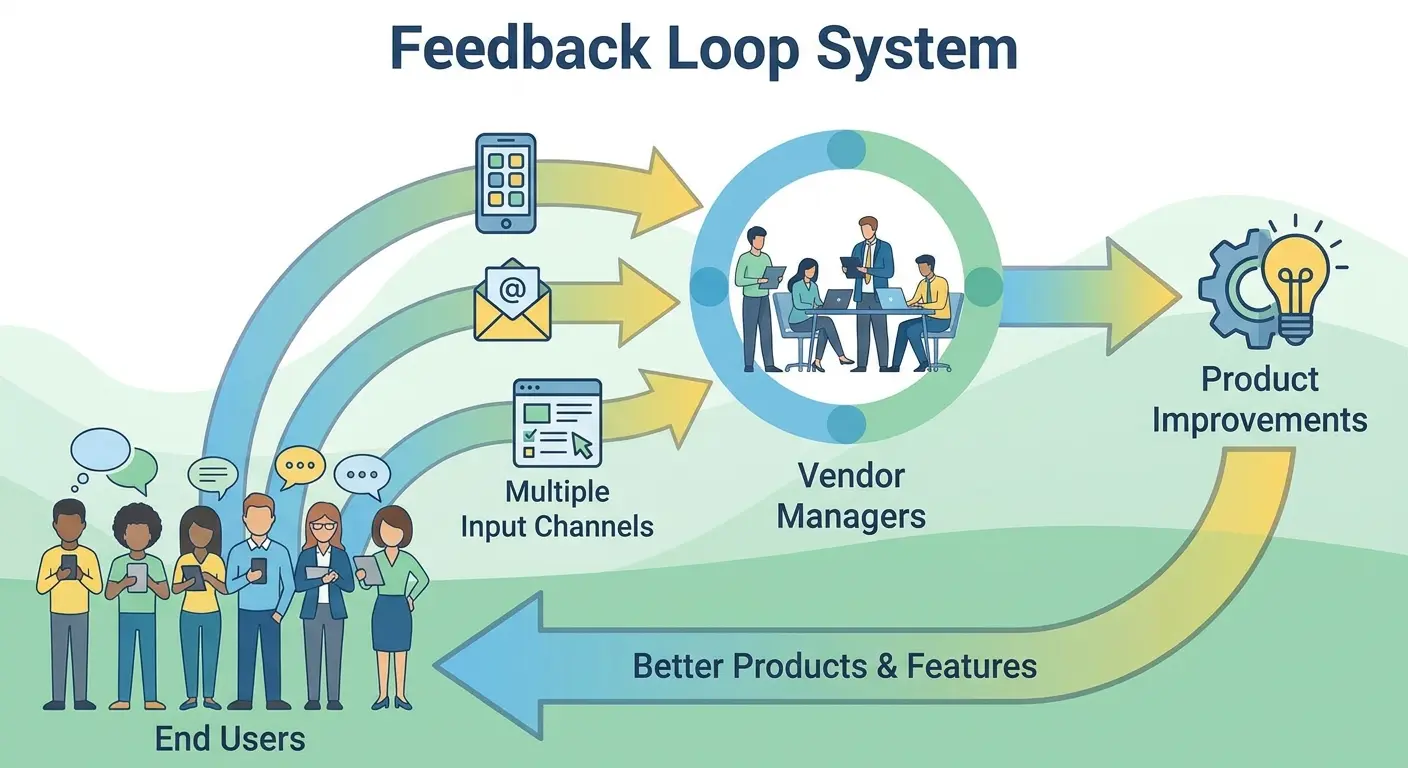
The people managing vendor relationships often aren't the people using the products daily. That gap creates blind spots where user frustration builds up invisibly until it explodes during a renewal conversation.
Set up structured ways for end users to share feedback that reaches the vendor relationship owner. Quarterly surveys, a dedicated Slack channel, regular office hours where users can raise concerns. Make it easy and expected, not an exception that requires escalation.
When you aggregate user feedback and share it with vendors during business reviews, you're giving them actionable intelligence they can't get anywhere else. Vendors want to improve retention and expansion. Give them the data they need to make your users happier, and you'll see faster response times and better product development aligned to your needs.
5. Document institutional knowledge before it walks out the door
Your best vendor relationship manager just gave notice. Do you know which vendors they managed? Who the key contacts are? What informal agreements exist? Where the renewal dates live?
Probably not, because most of that knowledge lives in someone's head and email inbox.
Create a living document (or better yet, a system) that captures relationship history, key contacts, integration dependencies, custom configurations, and lessons learned. Implementing proper IT asset management best practices ensures this documentation stays current and accessible.
When someone new takes over a vendor relationship, they should be able to get up to speed in hours, not months. Include the stuff that never makes it into official documentation: which account manager gets things done, which support channels to avoid, what time of day you get the fastest response times. This institutional knowledge is the difference between maintaining continuity and starting from scratch every time someone leaves.
Risk and Compliance Without the Bureaucracy
Risk management sounds boring until a vendor outage takes down your entire operation or a security breach exposes customer data.
The challenge is building risk awareness into your vendor management process without creating so much overhead that people route around it. You're not trying to create checkbox compliance exercises that make everyone feel busy but don't reduce risk. These are the practices that help you sleep better at night because you know what could go wrong and have a plan for when it does.
6. When one vendor dies, what else breaks?
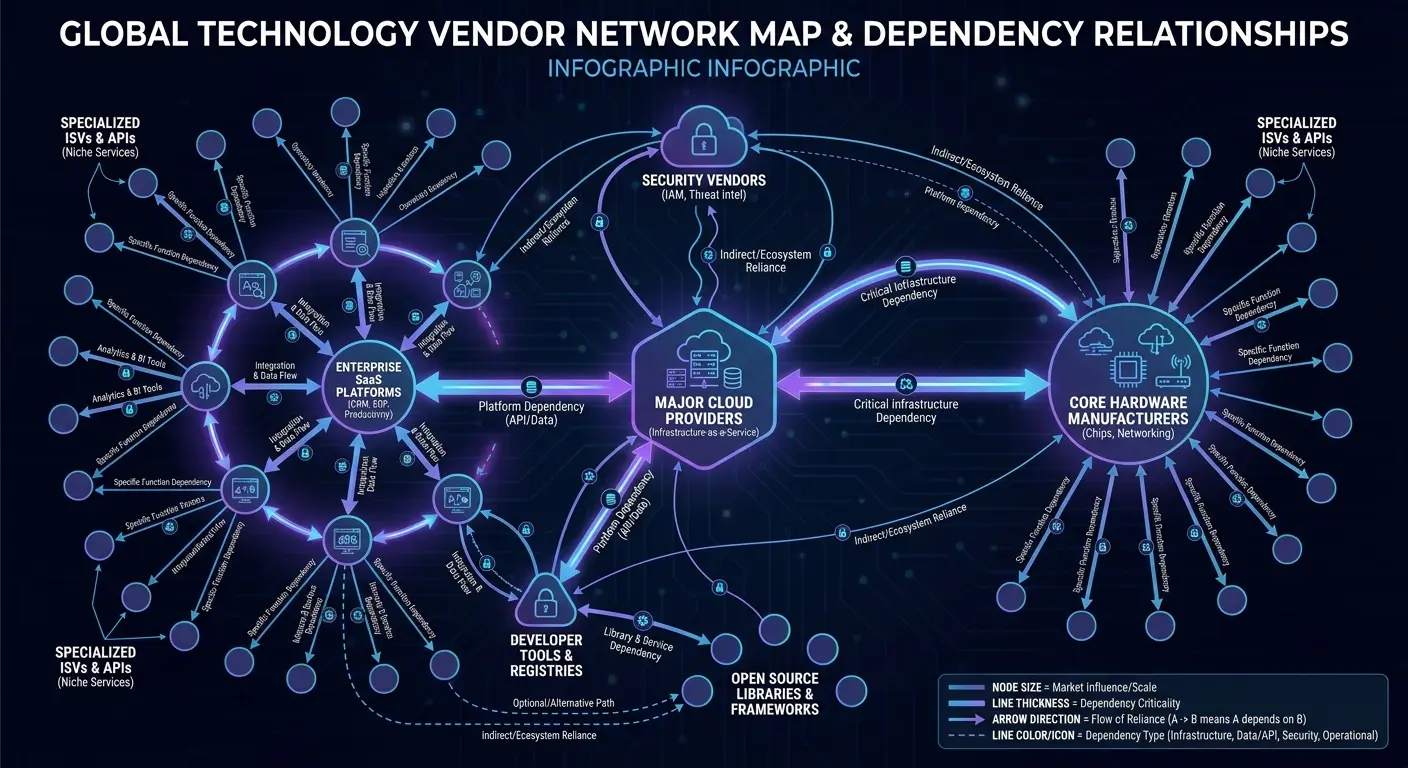
You've got a vendor list somewhere, probably in a spreadsheet that's three months out of date. But can you draw the map of how they all connect? When Vendor A goes down, which other systems stop working? Which vendors share infrastructure or data? Who's using the same authentication provider?
Map it. Visually.
Because this stuff doesn't stay in your head past ten vendors. (Side note: if you think you can track more than 10 complex vendor relationships mentally, you're either lying to yourself or you're spending way too much time thinking about vendors instead of doing your actual job.)
When you understand the dependency chain, you can make better decisions about redundancy, risk tolerance, and disaster recovery priorities. This mapping also reveals hidden risks. You might discover that three critical vendors all run on the same cloud provider. A regional outage suddenly becomes a much bigger problem than you thought.
Update this map quarterly (or whenever you add a major vendor) because your tech stack changes faster than you think.
7. Run tabletop exercises for vendor failure scenarios
Gather your team and walk through what happens if your most critical vendor disappears tomorrow. Who do you call? What data do you need to export? How long until operations are impacted? Where are the backups?
These tabletop exercises expose gaps in your contingency planning before they become real emergencies. You'll discover that nobody knows where the vendor contract lives, or that your backup strategy assumes the vendor's export tools are working (they might not be if the vendor is failing). Following a comprehensive IT offboarding process for vendor exits ensures you're prepared.
Do this annually for Tier 1 vendors and whenever you add a new critical dependency. The exercise itself is valuable, but the real payoff comes from the action items you generate. Document the gaps you find and actually fix them.
A tabletop exercise that doesn't lead to improved preparedness is expensive theater.
8. Automate compliance documentation collection
Chasing vendors for SOC 2 reports is soul-crushing work. You email them. They say they'll send it. They don't. You email again. They send last year's report. You clarify you need the current one. They ghost you for two weeks. By the time you get it, you've lost the will to actually read it.
Automate this before it breaks you.
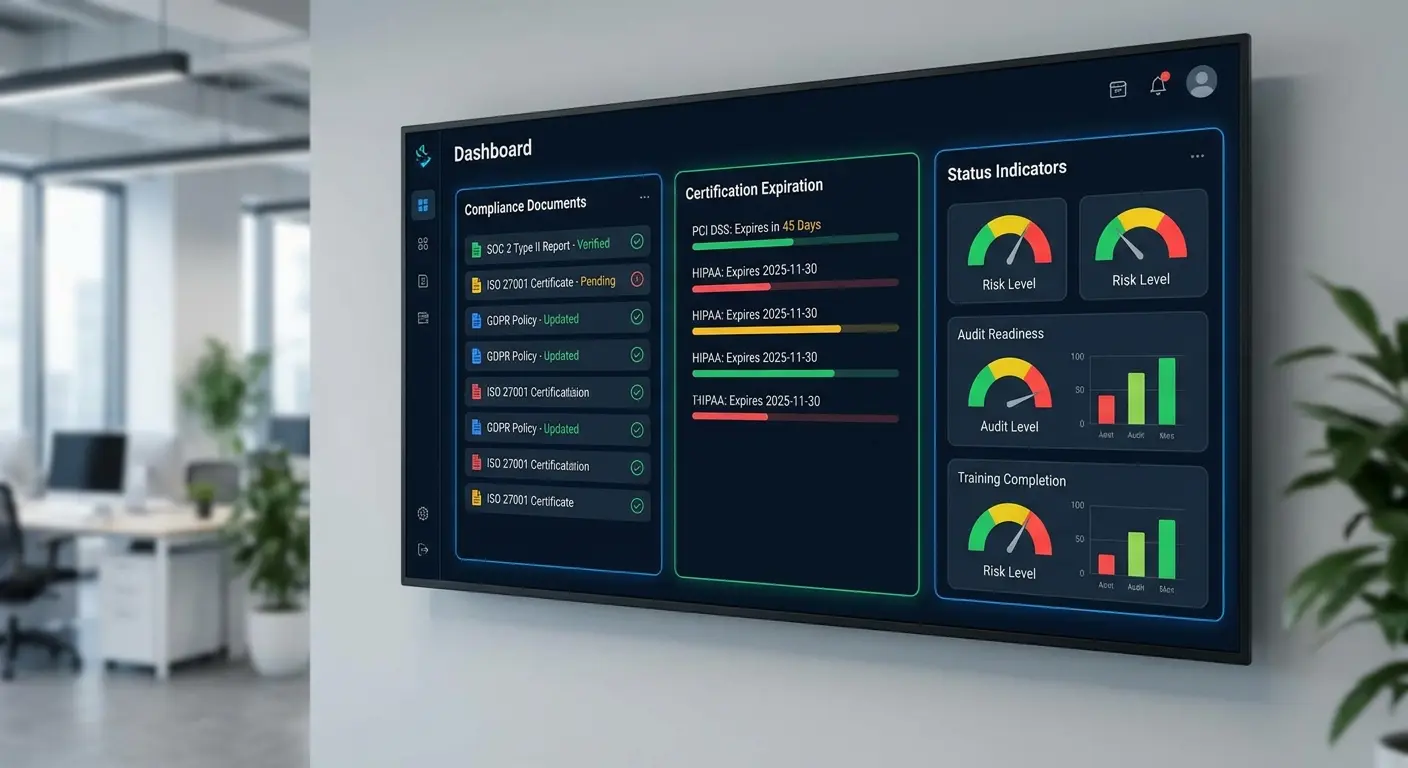
Set up automated systems that request, collect, and store compliance documentation on a schedule. Many vendor management platforms can do this, but even a well-configured shared drive with calendar reminders is better than nothing. The key is removing humans from the collection loop until something is missing or expired.
Build a compliance calendar that shows when each vendor's certifications expire so you can request updates before they lapse. When a vendor's insurance is about to expire, you want to know weeks in advance, not during an incident when you need to file a claim.
9. Is your vendor running out of money?
Your vendor can have great technology and terrible financials. If they run out of money, your contingency plan better be ready.
For critical vendors, monitor basic financial health indicators. Are they publicly traded? Check their quarterly reports. Are they venture-backed? Track their funding rounds and burn rate. Are they private? Look for signals like layoffs, leadership changes, or sudden shifts in their go-to-market strategy.
You're not trying to become a financial analyst, but you should have early warning systems for vendors approaching financial distress. This matters most for smaller, specialized vendors where you have limited alternatives.
If you see warning signs, accelerate your contingency planning and consider whether you need to diversify or find a backup option. The time to think about this is before the vendor announces they're shutting down with 30 days notice.
10. Build exit strategies into onboarding processes
The best time to plan your exit from a vendor relationship is before you fully commit to it.
During vendor evaluation and onboarding, document how you'd extract your data, what the migration path looks like, and what the switching costs would be. Establishing clear IT onboarding and offboarding procedures from the start protects your organization.
This isn't pessimism. It's covering your ass. Because vendors do fail, get acquired, or pivot away from your use case. And when that happens at 4pm on a Friday, you'll be really glad you documented the exit strategy.
Ask vendors about their data export capabilities, API access, and what happens to your data if you leave. Get these answers in writing before you sign. Some vendors make it deliberately difficult to leave (that should be a red flag during evaluation). Others provide robust export tools and migration support because they're confident you'll stay for the right reasons.
Building exit strategies early also gives you leverage during renewal negotiations. When a vendor knows you've done the work to understand your alternatives, they take your concerns more seriously.
Getting this right from day one is the whole point of a vendor onboarding process designed around how the relationship ends, not just how it starts.
Performance Management That Actually Works
Most vendor performance metrics measure things that don't matter to your users or your business. Uptime percentages look great in reports but tell you nothing about whether your team can get work done.
You need performance management that connects to real outcomes, creates accountability on both sides, and gives you the data you need to make informed decisions about renewals and expansions. The goal isn't to create more reports or meetings. You're building lightweight systems that surface problems early and give vendors clear feedback they can act on.
Good performance management should make vendor relationships better, not just document how they're failing.
11. Set SLAs that measure user experience, not uptime alone
A vendor can hit 99.9% uptime and still deliver a terrible user experience. Slow page loads, confusing interfaces, and frequent bugs don't necessarily trigger SLA breaches, but they absolutely tank productivity.
Expand your SLAs beyond availability to include metrics that matter to your users. Time to first response on support tickets. Average time to resolve common issues. User satisfaction scores. Feature request response time.
These metrics are harder to measure than uptime, but they're more predictive of whether the vendor relationship is working. When you're negotiating contracts, push for SLAs that align with user experience, not technical availability.
If a vendor resists, that tells you something about their priorities. Writing those numbers down is the easy part — most teams start from an SLA template built for a company that looks nothing like theirs, and the mismatch only shows up once someone tries to hold them to it.
The best vendors welcome this because they're confident in their ability to deliver value, not just maintain servers.
12. Create transparent scorecards vendors can access
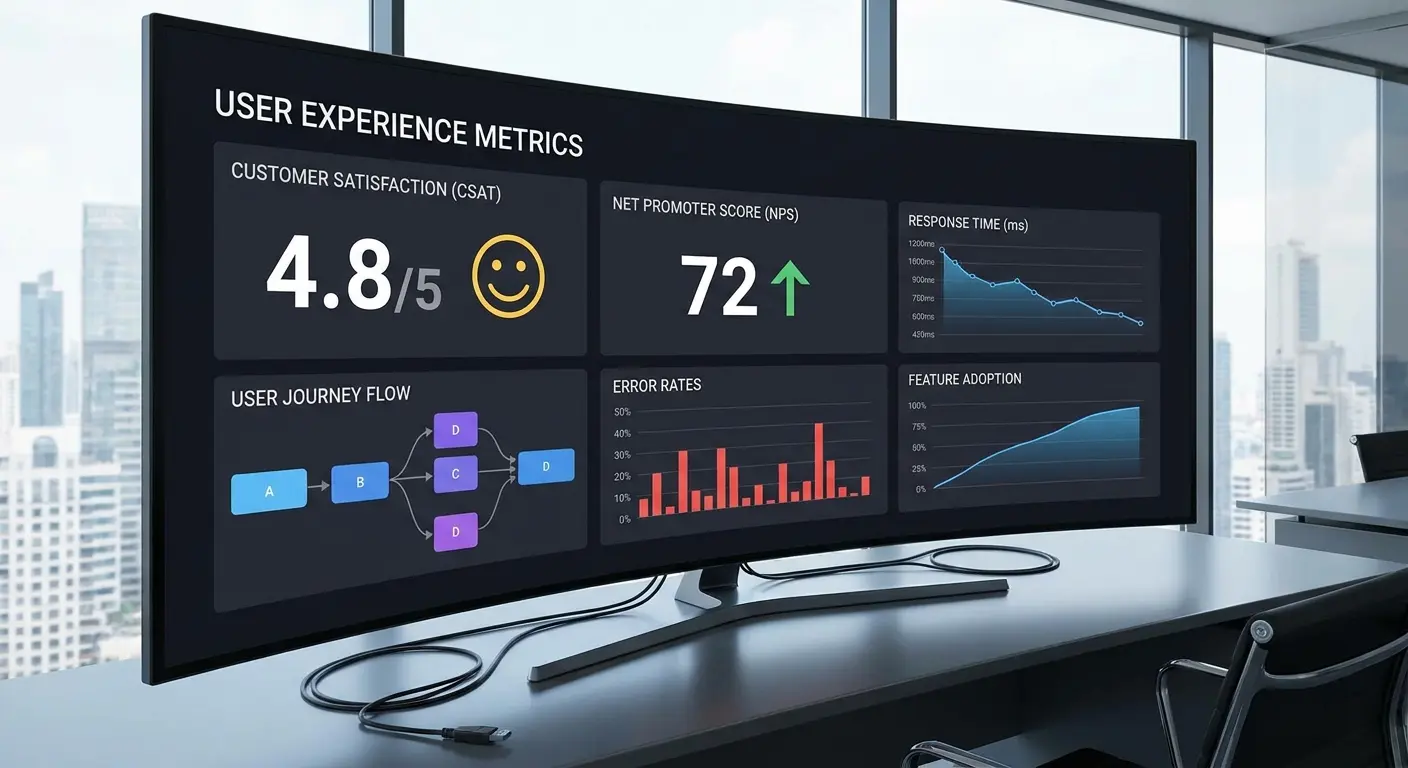
Build a simple scorecard for each major vendor that tracks the metrics you care about.
Then share it with them.
Transparency changes the dynamic from adversarial ("here's why you're failing") to collaborative ("here's what we're tracking and how you're doing"). When vendors can see their performance data in real time, they can address problems before they become crises.
Your scorecard might include SLA compliance, support responsiveness, user satisfaction, feature delivery against roadmap commitments, and relationship health indicators. Leveraging IT automation tools can help maintain these scorecards efficiently.
Update it monthly or quarterly depending on the vendor tier. During business reviews, the scorecard becomes your agenda. You're not scrambling to remember issues or relying on whoever spoke up most recently. You're working from data that both sides have access to and can discuss objectively.
This approach also makes renewals easier because you have a track record of performance, not just recent memory.
13. Schedule quarterly business reviews with clear agendas
Business reviews fail when they lack structure and purpose. You end up with vendors presenting their latest features (that you didn't ask for) while real issues go unaddressed.
Take control of the agenda.
Before each business review, send the vendor a structured agenda that includes performance scorecard review, open issues and escalations, roadmap alignment, upcoming renewals or expansions, and strategic initiatives where you need their input. Ask them to come prepared with specific information, not generic presentations.
Time-box each section so you don't spend 45 minutes on product updates and rush through everything else. These reviews should be working sessions where you solve problems and align on priorities, not vendor presentations where you're the audience.
For your most critical vendors, consider quarterly reviews. For others, annual might be sufficient. The key is making them valuable enough that both sides prioritize attendance and preparation.
14. Establish escalation paths that skip the runaround
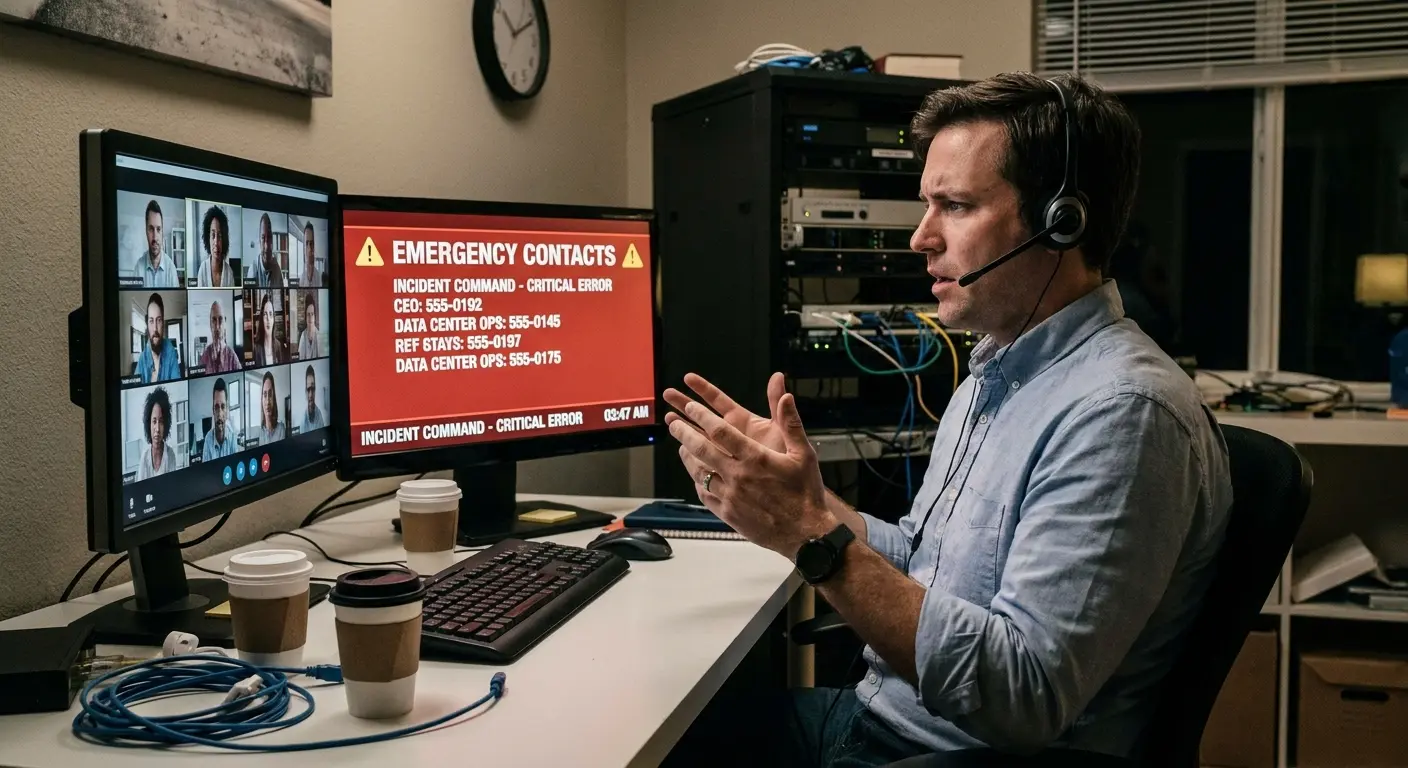
When something breaks, you don't have time to navigate a vendor's support hierarchy. Map out escalation paths before you need them. Who's your executive sponsor at the vendor? Who owns your account? What's the fastest way to reach someone with decision-making authority?
Document these paths and test them periodically. Some vendors will tell you to always start with tier 1 support. Push back. For critical issues, you need direct access to people who can help. Get this in writing during contract negotiations if necessary.
The escalation path should be clear to everyone on your team who might need it. When a critical system is down at 3am, whoever's on call should know exactly how to reach the right people at your vendor. This clarity is worth its weight in gold during incidents.
You'll also find that having clear escalation paths means you use them less often, because vendors take your concerns more seriously when they know you have direct access to leadership.
15. Track time-to-resolution, not just ticket volume
A vendor might close 95% of tickets within SLA, but if they're closing them without solving the problem, that metric is meaningless.
Track time-to-resolution for issues, not time-to-response. How long does it take to fully resolve a problem, including any workarounds or permanent fixes?
Break this down by issue severity and type. You might discover that your vendor is great at handling simple requests but terrible at resolving complex technical issues. That insight helps you decide whether to invest in additional training, push for vendor improvements, or plan for supplemental support.
Time-to-resolution also reveals patterns. If the same issue keeps getting reopened, you have a systemic problem that needs escalation. Effective IT cost management includes tracking these hidden inefficiencies.
This metric should be part of your vendor scorecard and discussed during business reviews. Vendors can't improve what they're not measuring, and you can't hold them accountable for metrics you're not tracking.
The Human Side of Vendor Relations
Technology decisions are made by people, and vendor relationships succeed or fail based on human interactions, not contract terms.
This section focuses on the interpersonal dynamics that most vendor management advice ignores. The small operational behaviors that build trust, create goodwill, and turn transactional relationships into genuine partnerships. These practices don't require budget or executive approval. They're about how you show up in vendor interactions and whether you treat vendors as adversaries to be managed or collaborators working toward shared goals.
The ROI on these behaviors is hard to quantify, but you'll see it in faster response times, priority support, early access to new features, and vendors who go above and beyond when you need them most.
16. Treat vendor contacts like internal team members
Your vendor's account team and support staff are people doing jobs. They respond better to respect, clear communication, and reasonable requests than to aggressive demands or passive-aggressive ticket updates.
Learn their names. Understand their constraints. Acknowledge when they go above and beyond.
This doesn't mean becoming best friends or letting performance slide. It means recognizing that the person on the other end of your support ticket or email has other customers, competing priorities, and limited control over product decisions.
When you build genuine relationships with vendor contacts, you become a customer they want to help. You get faster responses, more creative solutions, and insider information about upcoming changes. The vendors who feel like partners rather than suppliers are the ones who'll fight for you internally when you need an exception or expedited support.
Companies like Illumio have seen significant improvements in their vendor relationships by prioritizing this human element.

17. Share your roadmap so vendors can plan with you
Vendors can't anticipate your needs if they don't know where you're headed.
Share your roadmap (at whatever level of detail you're comfortable with) so vendors can align their offerings and support to your trajectory. Planning to expand into new regions? Understanding global procurement strategy helps you communicate these needs effectively. Expecting headcount to double? They should be preparing for increased usage and support needs. Rolling out new security requirements? Give vendors time to achieve compliance rather than surprising them at renewal.
This transparency benefits you because vendors can proactively suggest solutions, flag potential issues, and ensure they're ready when you need them. It also strengthens the relationship because you're demonstrating trust.
Obviously, use judgment about what to share and when, but erring toward more transparency usually pays off. Vendors who understand your business context become better partners.
18. Pay invoices on time (seriously)
This sounds stupidly basic, but most companies are terrible at it. Your AP department has a 60-day process for a 30-day payment term. Finance wants three approvals for a $200 invoice. The vendor portal requires a password reset every 90 days and nobody knows who has access.
Fix your payment process.
Small vendors especially, your late payment might actually hurt their cash flow. And when you're consistently late, you become the customer they deprioritize when things get busy. When you pay on time (or early), vendors notice. You become a preferred customer. That goodwill translates into better service, more flexibility during negotiations, and patience when you need to delay a decision or request an accommodation.
This is one of the easiest ways to improve vendor relations, and most companies still get it wrong.

19. Give feedback that vendors can act on
Vague complaints don't help anyone.
When something isn't working, provide specific, actionable feedback that vendors can use to improve. Instead of "your support is terrible," try "our tickets are taking an average of 4 days to get initial responses, and we need that down to 24 hours for priority issues." Instead of "the product is buggy," document specific bugs with reproduction steps and business impact.
Good feedback includes what's wrong, why it matters, and ideally what good would look like. Implementing IT compliance frameworks ensures your feedback aligns with organizational standards.
Vendors want to improve (most of them, anyway), but they need clear direction. When you provide thoughtful feedback, you're helping them prioritize development and support improvements. You're also more likely to see changes because you've made it easy for them to act.
Balance critical feedback with positive recognition when vendors do things well. If they resolved a critical issue quickly or delivered a requested feature, tell them. That positive feedback reinforces the behaviors you want to see more of and makes critical feedback land better when you need to deliver it.
Look, full transparency: we built GroWrk because we were drowning in this exact problem. Coordinating hardware procurement across different vendors, countries, and teams was a nightmare. Laptops from one vendor, peripherals from another, software licenses from a third, logistics from a fourth. Every deployment involved five different conversations.
So we built a single platform that handles all of it: procurement, deployment, lifecycle management, compliance tracking. If you're spending more time managing vendor chaos than doing strategic work, we can help. But even if you don't use us, implement these practices. They'll save you regardless.
We've seen how the state of global IT hardware procurement continues to shift toward centralized platforms that reduce vendor fragmentation while maintaining flexibility. You can explore more about these trends and how leading companies are adapting their IT procurement strategies at the State of Global IT Hardware Procurement 2026.
Don't Boil the Ocean
You're not implementing all 19 of these tomorrow. You don't have time, and your organization isn't ready.
Pick three. Seriously, just three.
Which practices would fix your biggest pain points right now? Is it the knowledge documentation problem because people keep leaving? The vendor tier chaos because you're treating everything as equally critical? The lack of ownership because nobody knows who to call?
Start there. Get them working. Then add more.
Real talk: if you're a solo IT manager at a 200-person company, you don't have time for quarterly business reviews with 15 vendors. You barely have time to keep the email server running. That's fine. Pick your top 3 critical vendors and do this right with them. Ignore the rest until something breaks.
Perfect is the enemy of done.
The companies with great vendor management didn't build it in a month. They built it practice by practice, vendor by vendor, over time. You're not behind. You're just starting.