




Effective IT cost management requires a holistic approach that touches every business aspect. The focus should be on making strategic decisions that foster sustainable growth and efficiency, not merely cutting expenses. For example, streamlining operations through advanced technology and optimizing vendor relationships can significantly reduce costs while maintaining or even enhancing service quality.
Implementing remote work policies and investing in technologies like cloud computing and RPA can also lead to substantial savings. Reviewing and adapting cost management strategies helps keep pace with evolving business needs and technological advancements.
This post provides insights into understanding IT cost management, developing a robust plan, and leveraging tools and strategies for effective cost control.
Key takeaways
-
Effective IT cost management involves strategic decision-making that enhances operational efficiency rather than merely cutting expenses.
-
Project managers are crucial in cost management by monitoring expenditures, implementing cost control strategies, and ensuring alignment with financial goals.
-
Investing in cloud computing and automation technology can significantly streamline IT processes and lead to substantial cost savings for organizations.
What is IT cost management?
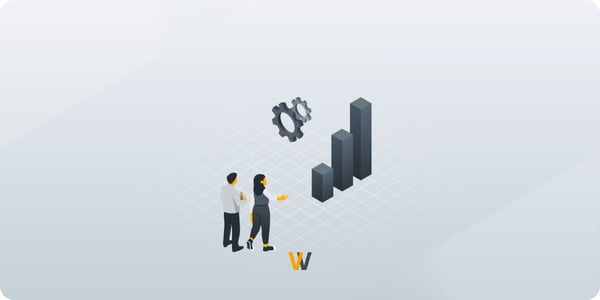
IT cost management refers to planning and controlling the financial resources allocated for IT projects to prevent budget overruns and ensure economic stability. This management process is crucial for aligning IT investments with the strategic business plan, optimizing resource allocation, and improving profitability.
Effective IT cost management includes evaluating and analyzing various IT expenditures, such as hardware, software, and implementation costs, to improve operational efficiency and customer satisfaction. Accurately identifying and categorizing costs helps set appropriate pricing for products and services and avoids cash flow issues.
A well-structured cost management process can help businesses optimize their IT budgets and prevent overspending significantly as IT infrastructures grow. Creating cost pools, which allocate costs to different products or departments, enhances understanding of cost distribution and supports better financial management.
Key elements of IT cost management
Understanding the key elements of IT cost management is crucial for organizations aiming to optimize their financial resources and enhance profitability. By analyzing and categorizing IT costs, businesses can make informed strategic decisions aligning with their goals. Below, we explore the fundamental components that form the backbone of effective IT cost management.
Direct and indirect costs
IT costs can be divided into direct and indirect costs. Direct costs are those directly tied to specific products or services, such as software licensing fees or hardware purchases. These costs tend to fluctuate with production output. On the other hand, indirect costs support multiple activities within the organization, like utilities and administrative expenses, and may remain stable or vary depending on operational levels.
Capital Expenditures (CapEx) vs. Operating Expenses (OpEx)
It is essential to understand financial allocations by categorizing IT costs into Capital Expenditures (CapEx) and Operating Expenses (OpEx). CapEx includes long-term investments in assets like servers and networking equipment, while OpEx covers ongoing expenses such as preventive maintenance, subscriptions, and utilities.
IT Asset Management (ITAM)
IT asset management (ITAM) is a critical aspect of IT cost management. It involves identifying, tracking, and managing company assets to eliminate redundancy and ensure optimal utilization. Effective ITAM can lead to significant cost savings and improved operational efficiency, forming the foundation for a robust cost management plan. The software side of that same discipline is SaaS license management, which tends to break down in the same way hardware tracking does once nobody owns the deprovisioning step.
Developing a robust IT cost management plan
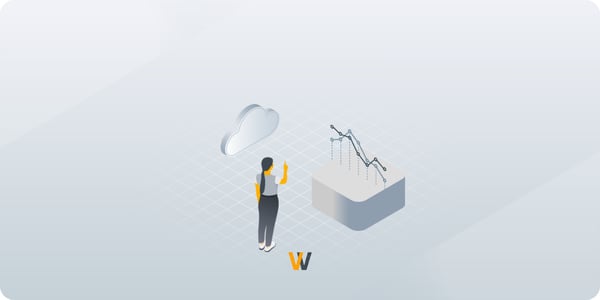
An effective IT cost management plan starts with clearly defining the project scope, including hardware, software, and cloud services. A clear understanding of fixed and variable costs allows organizations to make informed pricing and resource allocation decisions.
Project managers play a crucial role in cost management by estimating total expenses, planning budgets, monitoring expenditures, and preparing for unforeseen risks. An effective project budget includes a risk allowance for estimated costs, helping a project manager navigate unexpected expenses without jeopardizing project success.
Regularly reviewing and updating cost management processes ensures alignment with evolving technology and business requirements. Using tools and AI-driven technologies enhances forecasting accuracy and optimizes schedules, aligning future expenses with organizational goals.
Implementing effective IT cost management strategies for modern businesses
Effective IT cost control measures are essential for maintaining financial stability and ensuring the success of IT projects. Organizations can prevent budget overruns and optimize resource allocation by accurately estimating costs, regularly monitoring expenditures, and implementing strategic processes using reliable IT cost management software. Below are some key strategies to achieve effective cost control in IT management.
Accurate cost estimations
Begin by precisely estimating project costs and considering all potential expenses. This involves detailed planning and analysis to ensure all direct and indirect costs are accounted for, minimizing the risk of unexpected financial surprises.
Regular monitoring of spending
Consistently track and review expenditures against the budget to identify any deviations promptly. This ongoing monitoring allows project managers to make timely adjustments, ensuring that spending remains within the allocated budget.
Formal change management process
Implement a formal change management process to address project scope or budget changes. This structured approach ensures that adjustments are thoroughly evaluated and approved, preventing unnecessary cost escalations.
Vendor contract negotiations
Review and negotiate vendor contracts regularly to secure better pricing and service agreements. By optimizing vendor relationships, organizations can cut costs and improve the quality of services received.
Outsourcing non-core IT functions
Consider outsourcing non-core IT functions to reduce costs and focus on strategic activities. Leveraging external expertise and resources for tasks not central to the organization's core operations can lead to significant savings.
Effective IT Asset Management
Utilize IT asset management strategies to identify and eliminate underutilized resources. Organizations can reduce unnecessary expenses and improve overall efficiency by optimizing asset usage.
Cloud cost optimization
Adopt cloud cost optimization strategies, such as right-sizing resources and utilizing reserved instances for predictable workloads. These measures can significantly reduce IT costs by ensuring that cloud resources are used efficiently.
Workforce training and continuous improvement
Invest in workforce training and continuous improvement initiatives to enhance operational efficiency. Organizations can reduce their reliance on external consultants and achieve long-term savings by equipping employees with the necessary skills and knowledge.
Addressing common IT cost management challenges
-1.png?width=600&height=300&name=In-blog%20image%20template%20(6)-1.png)
Economic fluctuations can significantly impact IT costs, making them unpredictable and challenging to manage. These fluctuations can arise from various factors, such as changes in market demand, currency exchange rates, or global economic events, which can affect the cost of IT resources and services. As a result, organizations must adopt flexible budgeting strategies that allow them to adjust their financial plans and resource allocations in response to these unpredictable changes. This flexibility is crucial for maintaining cost-effectiveness and ensuring that IT projects remain on track during uncertain periods.
Project managers face numerous challenges in this dynamic environment, including limited resources, which can constrain their ability to execute projects efficiently. Additionally, inaccurate cost estimations can lead to budget overruns, jeopardizing the financial health of IT initiatives. The necessity for updated technology is another critical challenge, as outdated systems can hinder accurate tracking and reporting of expenses, making it difficult to maintain control over project costs.
To address these challenges, organizations should invest in comprehensive training programs and up-to-date tools that enhance the skills and capabilities of their project management teams. By equipping project managers with the latest knowledge and technologies, businesses can improve the accuracy of cost estimations and implement more effective cost control measures. This proactive approach mitigates the risks associated with project management challenges and ensures that projects are completed within budget and on schedule.
Furthermore, adopting flexible budgeting strategies is essential for organizations to adapt to changing economic conditions. These strategies involve regularly reviewing and adjusting budgets to reflect current market realities, allowing businesses to allocate resources more efficiently and maintain financial stability. By being agile and responsive to economic shifts, organizations can better manage IT costs, prevent budget overruns, and achieve long-term financial health, ultimately supporting their strategic objectives and enhancing overall profitability.
Benefits of efficient IT cost management

Efficient IT cost management is a powerful lever for enhancing a company’s profitability by optimizing spending and maximizing returns on investment. Here are some key benefits of implementing effective IT cost management strategies:
-
Optimized spending: Streamlines financial resources to ensure money is spent wisely, enhancing profitability.
-
Employee training: Focuses on internal training to reduce reliance on costly external consultants, resulting in long-term savings.
-
Automation and AI: Investing in these technologies can significantly streamline IT processes, leading to notable cost reductions.
-
Remote work savings: Reduces office space and utilities expenses while expanding access to a wider talent pool.
-
A value-centric approach allows organizations to reinvest savings into areas that generate substantial business value, boosting operational efficiency and profitability.
Future trends in IT cost management
As technology advances rapidly, several future trends in IT cost management are emerging. Each has the potential to transform how organizations manage their financial resources significantly.
Systems Integration
One of the most critical trends is systems integration, which is pivotal in effective cost management. It enables seamless data sharing and communication among various project management systems, streamlining operations and enhancing decision-making processes by providing comprehensive insights into project costs and resource allocation.
Cloud Computing
Another transformative trend is the widespread adoption of cloud computing, which offers a strategic advantage by significantly lowering IT infrastructure costs. By reducing the reliance on expensive on-site hardware, cloud computing allows organizations to scale their operations more flexibly and efficiently. This shift cuts down on capital expenditures and provides the agility needed to respond swiftly to changing business demands.
Artificial Intelligence
In addition to these, artificial intelligence is making waves by automating repetitive and mundane tasks, thereby reducing labor costs and boosting productivity. Implementing AI-driven solutions allows businesses to reallocate human resources to more strategic and value-added activities, enhancing overall operational efficiency. AI technologies can also provide predictive analytics, improve decision-making, and personalize customer experiences, further driving cost efficiencies and innovation.
These emerging trends highlight the critical importance of staying abreast of technological advancements to optimize IT costs and ensure long-term financial health. Organizations proactively embracing these innovations can achieve significant cost savings and operational improvements, positioning themselves for sustained success in a competitive landscape.
Revolutionize your IT cost management with GroWrk
Effective IT cost management is essential for modern businesses to achieve financial stability and operational efficiency. Organizations can optimize IT expenditures and prevent budget overruns by understanding IT cost management, developing a robust plan, and leveraging essential tools.
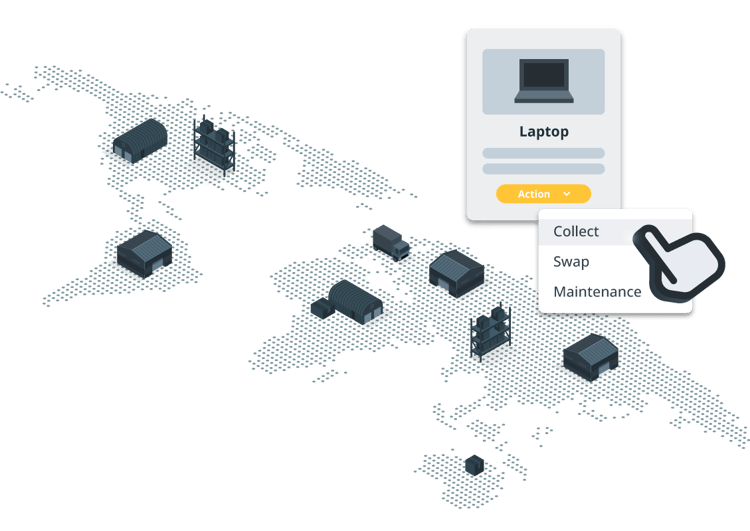
One of those essential tools is GroWrk, a global IT asset lifecycle management platform that automates every stage of the IT asset lifecycle. With unmatched global reach, GroWrk ensures that IT teams can deploy, retrieve, store, and dispose of equipment in over 150 countries. This comprehensive solution integrates AI to automate the IT asset lifecycle and provides advanced analytics and reporting on equipment usage, lifecycle management costs, procurement strategies, and IT resource planning.
With support from a dedicated Customer Success Manager (CSM) and AI-driven support tools, GroWrk ensures prompt, personalized, and 24/7 assistance for reliable SLAs. Whether you must procure, configure, and deploy your IT devices or store, reuse, or recycle your inventory, GroWrk offers a one-stop solution to revolutionize IT cost management.
Schedule a demo and discover smarter, cost-effective IT management with GroWrk!
Frequently asked questions
What is IT cost management?
IT cost management involves strategically planning and monitoring financial resources dedicated to IT projects. Its goal is to maintain IT budget compliance and ensure overall financial stability. By effectively managing these costs, organizations can optimize their IT investments.
Why is effective IT cost management critical?
Effective IT cost management is essential for ensuring that IT investments support the organization's strategic objectives while optimizing resource use and enhancing profitability. By managing costs efficiently, businesses can improve their financial performance and maintain competitiveness.
What are the key elements of IT cost structure?
The key elements of IT cost structure encompass direct costs, indirect costs, Capital Expenditures (CapEx), Operating Expenses (OpEx), and IT asset management. Understanding these components is essential for effective IT financial planning.
How can project managers contribute to IT cost management?
Project managers contribute to IT cost management by effectively overseeing project budgets, tracking expenditures, and implementing strategic cost control measures. This disciplined approach ensures optimal resource allocation and ultimately enhances the financial health of IT projects.
What are some future trends in IT cost management?
Future trends in IT cost management will prominently feature systems integration, cloud computing, and the implementation of robotic technology to automate repetitive tasks and decrease labor expenses. These advancements will enhance efficiency and significantly drive down costs.